




Dear Jomrade,
Today we’ve published:
- “Singapore This Week”, by Jom
- “On again, off again: what ‘Transcription’ doesn’t record”, by Corrie Tan
First, congratulations to my co-founder Charmaine Poh for yet another honour (I’m losing track): one of five to win the 7th VH Award given by Hyundai Motor Group for emerging media artists.
Jom Cakap with Jean Hew, host of “The Neighbourhood Boy”, 1-230pm, October 10th, at Druggists. Hosted by Abhishek, Jom’s head of content, Jean will discuss her experience developing, hosting, and researching the podcast. Tickets are free but limited. Get yours now.
This was one of those weeks where numerous stories of crime and (alleged) corruption punctured the image of safe and squeaky-clean Singapore.
Crimes included a private investigator illegally surveilling a cop at his home and workplace, and the first person jailed for keeping animals in captivity for sale at unlicensed premises. There were many distressing lines in the latter, including puppies “transported under cramped and poorly ventilated conditions that subjected them to unnecessary suffering”.
The one that really shocked me was the conclusion of the case involving a gang robbery on April 18th 2024. Rich Chinese nationals were renting a good class bungalow (GCB) in King Albert Park and hosting high-stakes poker games there, involving winnings of up to several hundred thousand dollars, settled in crypto. On that night, a South Korean was the card dealer, and a Malaysian provided massage services to the players: five Singaporeans, an Indonesian, and a Chinese national. (Asia’s meeting point, we are.)
Seven Malaysian men entered Singapore, stormed the house with machetes and baseball bats, tied up the 11 people, and escaped with S$4.9m, mostly in crypto, driving back to Malaysia in two cars via separate checkpoints. Over the subsequent months, six were arrested (one is still at large, believed to be in Thailand). And this week, they were jailed. The police have thus far recovered just S$1.69m. The deputy public prosecutor told the High Court that this was the highest-value robbery in Singapore since the 1970s, after accounting for inflation.
I asked a friend whose parents live nearby, and he replied that it was “the start of a slate of home invasions in the area, which resulted in increased police presence and occasional police drone flyovers (which I am not pleased about) but at this point is basically yesterday's news.” I don’t have too much sympathy for crypto-dealers and their high-stakes games, but it was interesting to me partly because I wonder if and how these high-profile incidents continue to influence conservatives, inside and outside the establishment, in their overall outlook on policing in this country.
Very much today’s news was the bombshell release of a working paper this week that suggests that corrupt mid-level civil servants may be gaming the housing market. That’s our lead blurb below.
- Are civil servants gaming the housing market?
- Lawrence’s, Pritam’s, Harpreet’s, and Jom’s view on ministerial salaries
- As AI agents go rogue, whom should we trust to reel them in?
- How to enjoy SG’s 24hr gastronomy while still maintaining healthy eating rhythms
- The king of Ryukyu and the sultan of Malacca: lessons from medieval inter-state relations
- “Male Pattern”, a new Tamil-English drama about masculinity and balding
Above are the issues we chose to explore in more depth.
Other news this week included: SCMP on why SEA failed to stop the haze; N95 masks and adjusted work arrangements, as companies step up haze precautions; MRT reliability hits all-time high; former HDB group director accused of breaching agency’s database 161 times; The Straits Times (ST) on resistance to Chinese goods flooding other countries; “Stop trying to build Singapore MNCs”, another ST commentary; “Behind True Yoga’s Collapse” by The Yoga Edit; “Father of emergency medicine” among 17 doctors to receive apex title in SG medicine; MUIS payroll systems hit by ransomware; the challenges of hiring live-in help in small homes; construction worker dies after being struck by hose; activists Kirsten Han and Elijah Tay speaking at the 9th World Congress Against the Death Penalty in France; Spottiswoode Park residents get S$188,000 to turn ground-up ideas into estate upgrades; addiction, doom scrolling, cyberbullying most common social media harms for youth; Can KL overtake SG to become SEA’s concert hub?; BTS’s agency to hold auditions for new male trainees; how sports science is helping SG athletes get an edge; 34 young people to represent SG at “Olympics of skills”; a year after SG cricket coach's murder in Malawi, his family is still fighting for answers; and a rare bowmouth guitarfish recorded in Singapore waters after nearly 30-year absence.
Join 1,700 members keeping Jom independent. From S$10/month—full access, no compromises.
“On again, off again: what ‘Transcription’ doesn’t record”, by Corrie Tan
Ben Lerner’s latest novel, Transcription, was published earlier this year, and this is a critical response to it by Corrie, our arts editor. But hang on, you might say: why is Jom, a publication about Singapore, covering a book by an American poet and novelist?
Well, perhaps most importantly, Corrie, as she does in all her work, engages the reader in a deep exploration of many universal themes about the human condition: memory and remembering; the stories we tell ourselves, who gets to tell our stories and the hierarchies of authorship; our relationship to technologies, and how they change us; and much more. And there’s plenty of Singapore in here: Corrie begins with her early journalistic experience, and discusses artist bani haykal’s work, among others.
It’s probably the kind of piece we wouldn’t have run even a year ago, though I’m really glad that Jom is moving in this direction, getting bolder about how we interpret our mission: “to inform and delight with slow journalism, grounded in humility and sensitivity, and guided by the never-ending quest for truth.” So a big thanks to Corrie and Abhishek, our head of content, who edited this. I’ll leave you with a few passages:
“Transcription is about what we long to remember but also what we wilfully forget; it’s about what is seared into our memory and what our bodies erase for us, whether from trauma, or sheer length of time. It is about those whose professions depend on reconstructing memory, how we want to represent these recollections to the world, but also what we cannot admit to ourselves. This slender volume manages to be a novella about the current technological era, about the post-truth era, and also about the post-pandemic era, all by deconstructing how a shared story is told…
Then, he [bani] turned to consider intimacy in Malay. “When someone says ‘mesranya tu dua ekor’ or ‘those two people are very mesra’, mesra denotes a couple of things,” he told us. “1. It is suggested that the two individuals are very close to one another; 2. Usually in the context of how it’s said, this example is riddled with moral judgment.” Later, I asked another native speaker of Malay if she understood mesra as synonymous with “intimacy”. She paused and wrinkled her nose. That has a really derogatory meaning…
To tell the story of a person’s absence in the presence of all who were transformed by that person is, then, to create a fiction. There are no non-fictions between us, no matter the fidelity of the audio or video recorder. You may tell one version of it to yourself, while your best friend may recall another. Your lover may leave you, having co-written a chapter with you, and then you may find that their annotations, footnotes, and 10th-year-anniversary preface tells another tale of your time together.”
Jom ingat,
Sudhir Vadaketh
Editor-in-chief, Jom
Jom on memory
 Damien Thow Xin Wei
 Philip Holden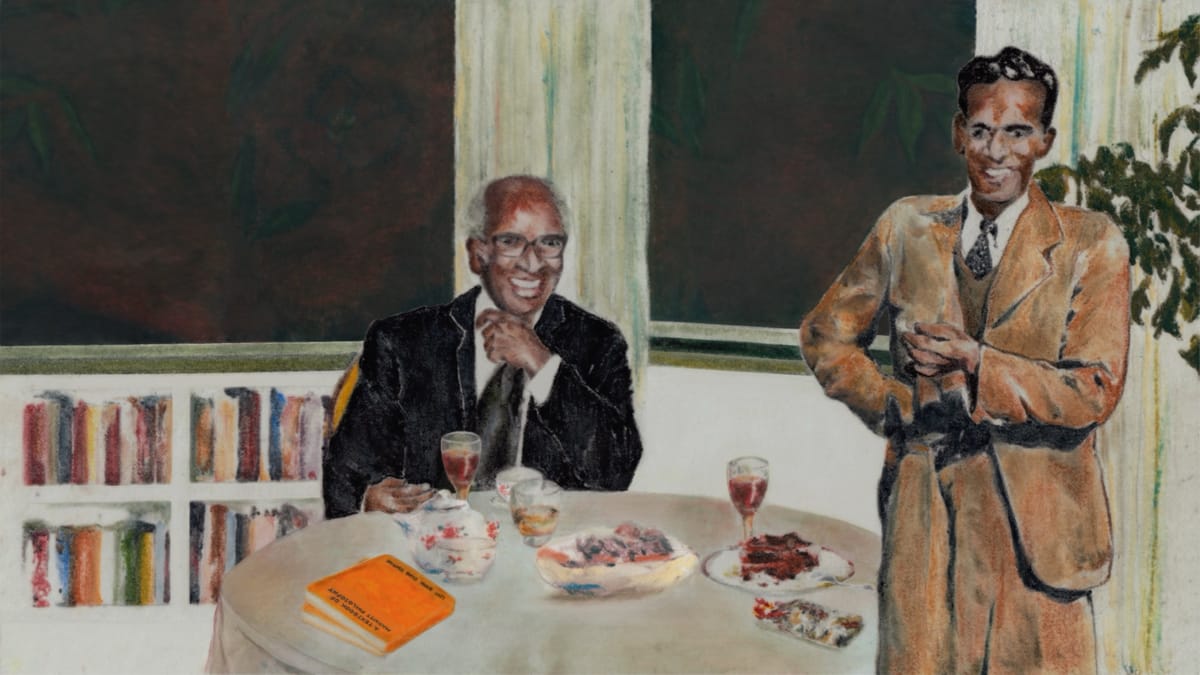
 Xingyun Shen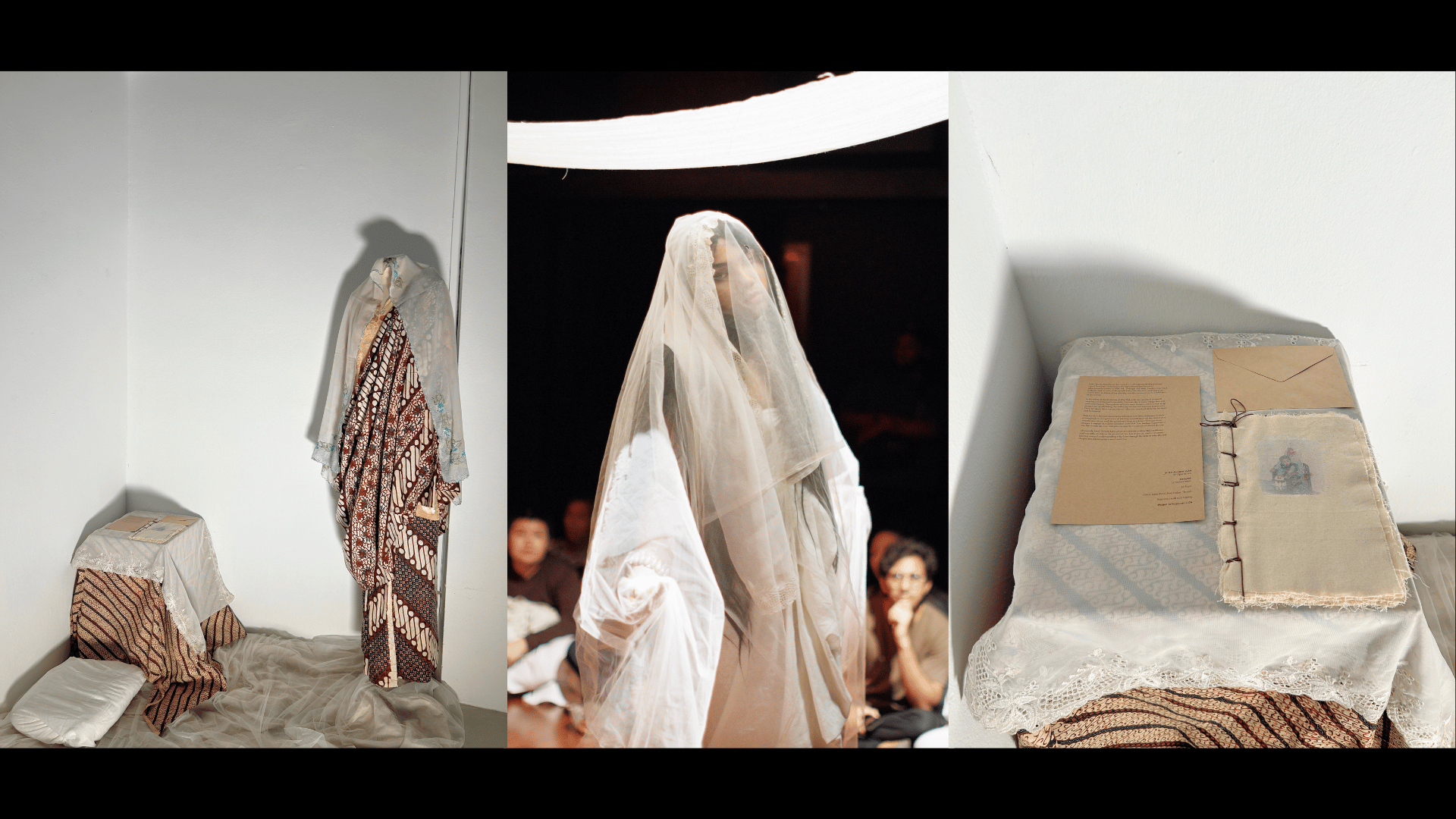
 Abhishek Mehrotra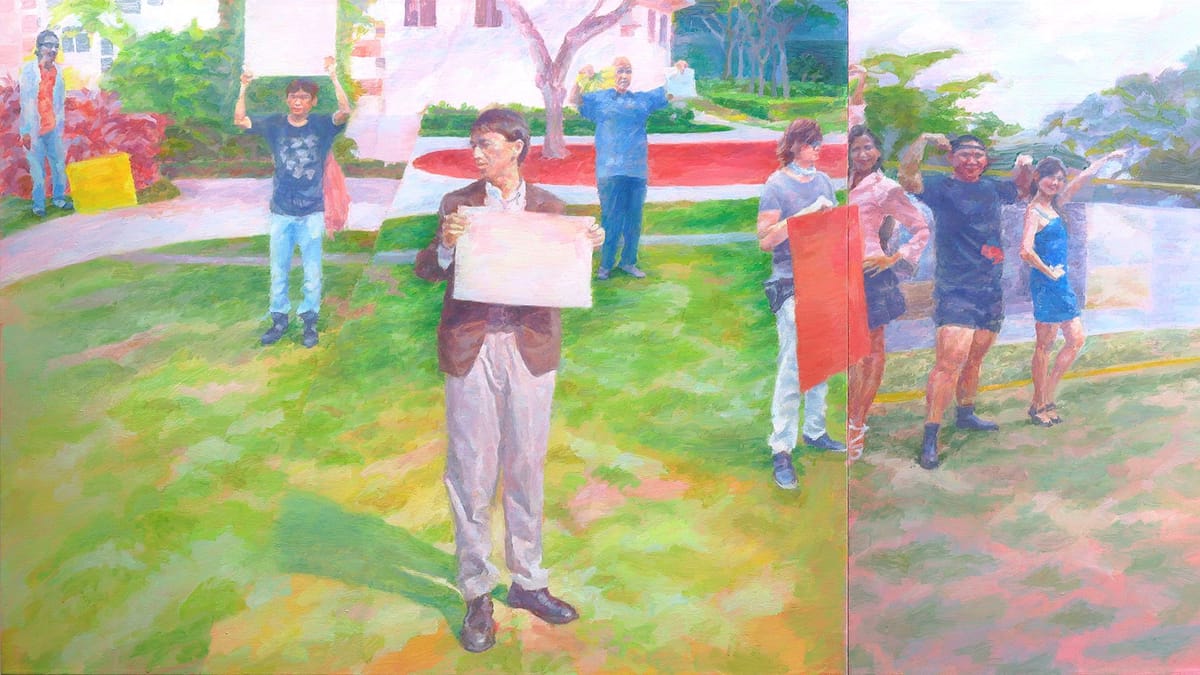
Singapore This Week
History weekly by Faris Joraimi
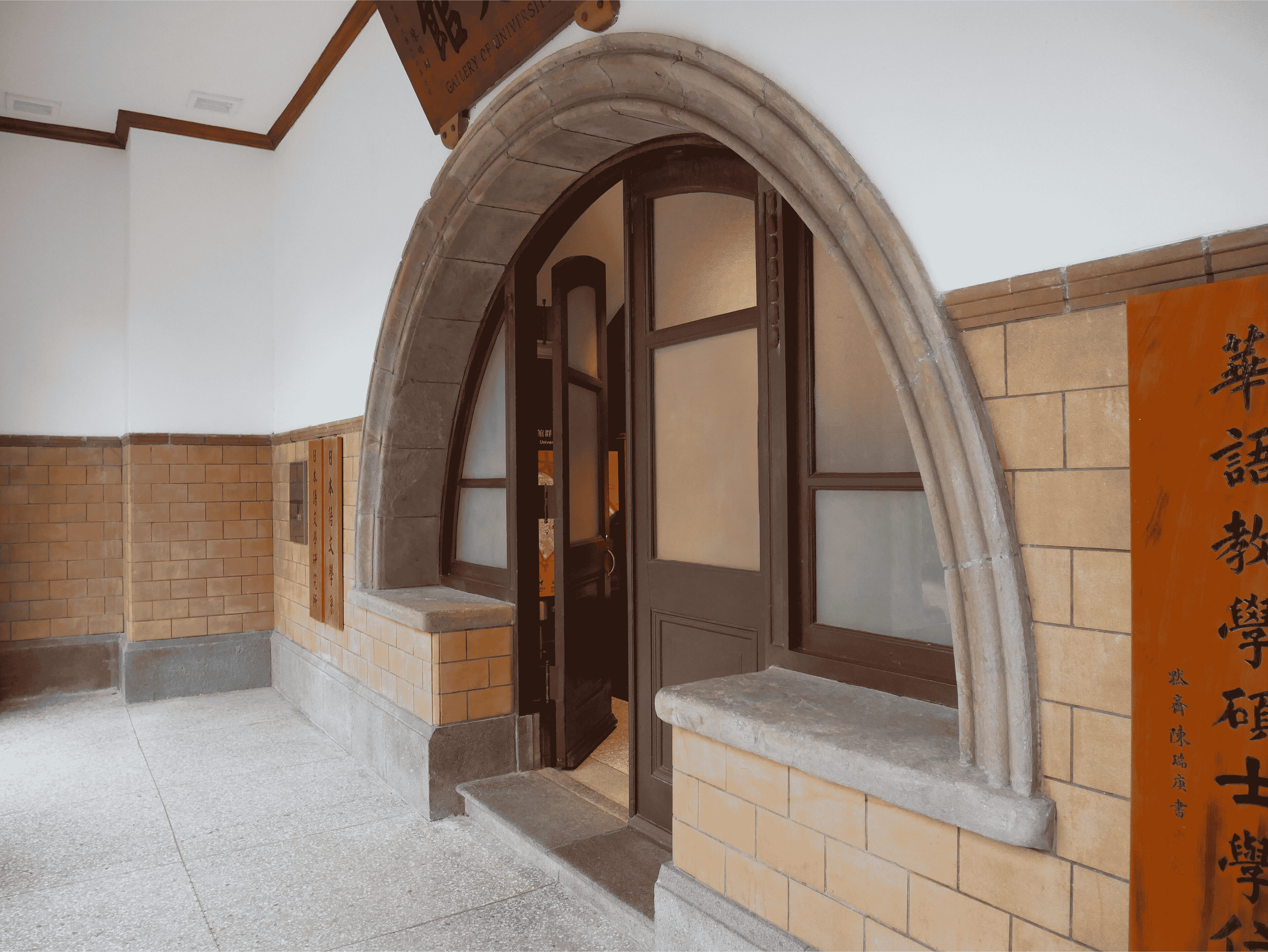
“We would like to request that you show liberality to men from afar. It would be much to our advantage if you would let them finish their trade and come home as soon as possible. We shall always think of you with affection from far away.” These words belong to a letter from the king of Ryukyu to the sultan of Malacca in 1464, accompanying the annual voyage to the “South Sea” (Nanyang) bearing valuable gifts and goods. It is one of fifteen surviving letters exchanged between the two kingdoms kept in the Rekidai Hōan, the compiled diplomatic records of Ryukyu. Though completely destroyed in world war two, the fortunate survival of copies in Taiwan and Tokyo meant these tender lines, transiting across older ocean currents, made their way down to us.
Making up a chain of islands, the Ryukyu kingdom was once a prosperous trading power in the South China Sea that acknowledged both Chinese and Japanese rulers as overlords, before it was annexed by Japan in 1872 and turned into today’s Okinawa prefecture. But territorial disputes occasionally arise over some Ryukyuan islands, and it remains a major US naval base. In the 15th century, the Ryukyu kingdom linked the royal port-cities of South-east Asia to the Chinese imperial court. (A bit like how Singapore today functions as an intermediary between world superpowers and the region.) It was through Ryukyu that gifts from South-east Asian rulers were sent to the Ming-dynasty capital Beijing, in return for formal recognition, security, and treasure. This “tributary system” created a framework for stable international relations with continental China as its centre, not unlike the post-world war two security and international order led by the US, whose preeminence rose after the collapse of the Soviet Union. But as the world’s policeman becomes more capricious and insular—if not outright rogue—it’s tempting to look back to histories like these for alternative futures.
The debate over whether we’re in a peaceful and prosperous “Asian Century,” based on benevolent Chinese imperialism, is a favourite among Singaporean ex-diplomats who stumbled into second careers as geopolitical weathermen. But proponents of realism, or the idea that international politics is a wild wood of self-interested wolves, may increasingly notice how appeals to ideals, values, or some kind of moral foundation, has strategic importance after all. At the Xiangshan Forum on September 16, Chan Chun Sing, defence minister made a plea for responsible leadership from China. Quoting Meng Zi (372-289 BC), the philosopher who counselled warlords in a time of anarchy, Chan argued that cultivating trust, not displaying brute power, secures long-term interests. The closer we inch towards the end of international stability, the more we realise that its basic problems and solutions—how to resolve conflict, or build wealth together—haven’t changed too much from the time of the Rekidai Hōan. A 1470 letter from the sultan of Malacca to the king of Ryukyu goes, “Every year trade has continued without the slightest neglect in the past. All within the bounds of the four seas are brothers.”
Other stuff we like
(blank) Experimental Film Festival. This one-day independently-run festival will present a series of avant-garde work—with an emphasis on regional film-making and promising student films—accompanied by a slate of talks.
“Faster! Louder! Brighter! How the attention economy overwhelmed Children’s TV”. In The Guardian, Natalia Kucirkova’s writes about the importance of slow watching at a time when incessant tunes, images, and comic beats are zapping young brains.
“Do Social Norms Substitute for Enforcement? Evidence from Public Officials’ Home Purchases in Singapore”. Have mid-level civil servants been trading on the housing market using privileged insider information? The explosive working paper by the highly-regarded National Bureau of Economic Research (NBER) that’s gotten the whole country talking.
A flavour of Jom. Occasionally, Jom publishes essays outside the paywall. These are on issues we think are in the public interest, and deserve a wider airing. In the past two years, we have published nearly 50 such pieces. Read some of these if you’d like to see samples of our work. We hope they’ll convince you to subscribe. And even if you’re here with no intention of doing so, we hope you’ll enjoy these offerings and consider it time well spent!