




Dear Jomrade,
Today we’ve published:
- “Singapore This Week”, by Jom
- “Everyday Economics #9: Desire lines”, by Serene Koh
See you tomorrow afternoon at the Singapore Independent Media Fair at GV Cineleisure in Orchard. This year’s theme is “the role of independent media in a time of crises” and features many great speakers such as Cherian George, Shibani Mahtani, Ellis Ng, and Toh Ee Ming. Jom will have a booth from 1-5pm, with our totes and print issues on sale at discounts.
This week I learned that once every three days, on average, there is a “knife-related incident” in Singapore. The stat was in a story about a 59-year-old stabbed to death in Lengkok Bahru by another 59-year-old. Drops of blood and bloody footprints along their 16th floor HDB corridor were the ghoulish residue of a longstanding feud’s tragic end. A neighbour recalled that the two topless men regularly yelled Hokkien vulgarities at each other from 730 in the morning across the corridor, outside their (presumed) two-room flats. ““No one thought it would escalate to this,” he said.
Anomie, loneliness, angst, desperation, claustrophobia, suffocating space, the panopticon. My mind wanders, even as I wonder about the tragedy of simply being their neighbours—how to live like that?
Even the rich are vulnerable to crime, of course, and another stat to shock me was the over S$88bn lost to scammers in 2025 in Asia-Pacific alone, according to a new UN report. The sophistication of these enterprises is mind-blowing. “Beyond using generative AI to create content, criminal groups are expected to adopt agentic AI systems to more autonomously identify victims, conduct social-engineering campaigns and facilitate cryptocurrency theft and laundering,” the report said.
From bloodied knives to the leading edge of AI then, my sense of Singapore as safe was punctured just a little bit this week.
Hope, yes, hope, that irrepressible salve, came in the form of the Emergency Response Team LB (Lengkok Bahru). Four boys aged 11-14 from Gan Eng Seng School took it upon themselves to start patrolling their neighbourhood everyday to keep it safe. Some things they look out for: the indiscriminate dumping of bulky items, vandalism, and the charging of personal mobility devices (PMDs) in common areas. They take photos, and send them to one boy’s mum, who then alerts the relevant authorities.
There’s a part of me that wonders about turning our kids into snitches, and the opportunity cost of their youth, stepping in where the state arguably has fallen short, but for now I’ll just celebrate them.
They’ve also helped a senior carry her groceries home, defused a quarrel among kids, and pointed the police to (shucks, not another one) a foul smell, found to emanate from the decomposed body of an elderly man in his flat.
And on August 9th, they’ll have to contend with the “biggest thing that has happened”, when they’ll join a contingent of Singaporeans striving to make this a better home at the National Day Parade. Look out for Rafieq Sahin Rafizal, Aaron Sarandev, Al-Mirza Danish, and Didie Andiqa Muhaimin.
- The deepening crisis in India with leaked exams and the satirical Cockroach Janata Party
- Why did Faishal Ibrahim have to resign?
- Remembering Kenneth Jeyaretnam
- How hopeful or worried should we be about agentic AI?
- What might have been alternative names for Circle Line’s three new stations?
- Hiroshi Sugimoto and Maria Taniguchi at the Singapore Art Museum
Above are the issues we chose to explore in more depth.
Other news this week included: commentary by LKYSPP’s dean on Trump and the Gulf; no iron rice bowl at GovTech; over S$88bn lost to scammers in 2025 in Asia-Pacific alone; humanoids at MRT stations in 10-15 years; Sushil Nair to replace Sundaresh Menon as chief justice; crowding, inconsiderate behaviour, and air-con issues among top commuter concerns; ST multimedia piece on why the job hunt is a struggle for fresh grads; CNA commentary on the risks of a social recession here; minimum annual leave for low-wage outsourced workers like cleaners to rise from 7 to (hooray) 10 days; jail for all 19 members of Indonesian trafficking ring that smuggled babies into Singapore; overseas gambling site using local firms to collect illegal bets on the World Cup; the controversial Network School set up by technooptimist Balaji Srinivasan leaving Johor for Kazakhstan after scandal involving Israelis; middle-aged and elderly fitness through parkour; ST multimedia piece on a changing Orchard Road; Metro’s history in SG, on the eve of its closure; behind-the-scenes of the Parti Liyani case with her volunteer interpreter; NTU student project helps undergrads put phones away for better sleep; two basketballers here handed lifetime bans over match manipulation; fosterers in HDB flats to be allowed up to 6 cats in pilot scheme; and illegal tortoises for sale on TikTok and Telegram.
Join 1,700 members keeping Jom independent. From S$10/month—full access, no compromises.
“Everyday Economics #9: Desire lines”, by Serene Koh
It might be Singaporeans’ favourite offence. This week 10 jaywalkers were fined S$50 each for crossing a four-lane road near Boon Keng MRT.
But why exactly do we do it? And what does it say about the way humans interact with urban design? One of the many intriguing things for me in Serene’s column today is the distinction in behavioural instincts and mindsets between the elderly and the rest of us, when it comes to jaywalking.
Read on for more, including her explanation of the column’s title.
Jom fikir,
Sudhir Vadaketh
Editor-in-chief, Jom
Jom on Everyday Economics
 Serene Koh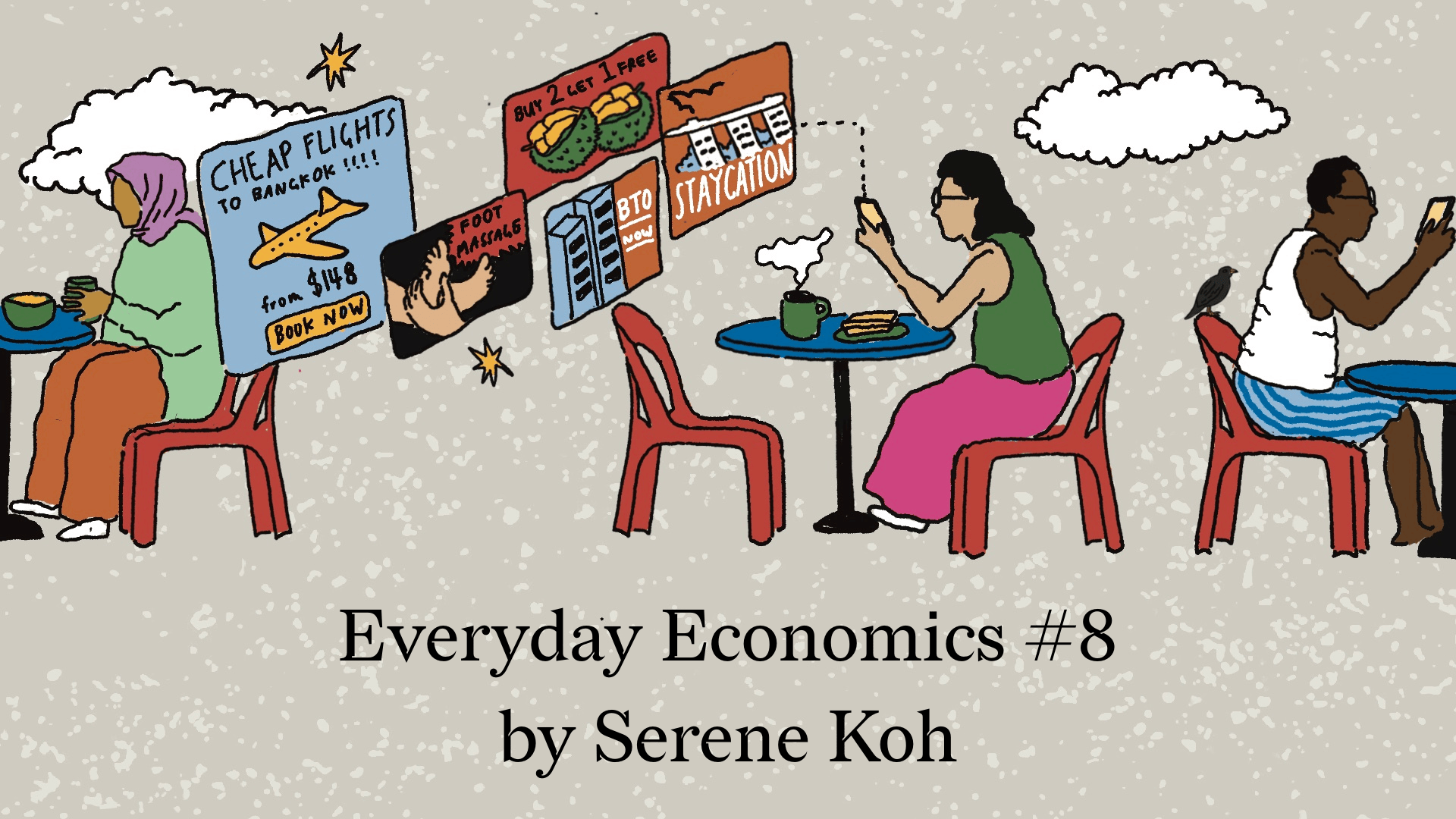
 Serene Koh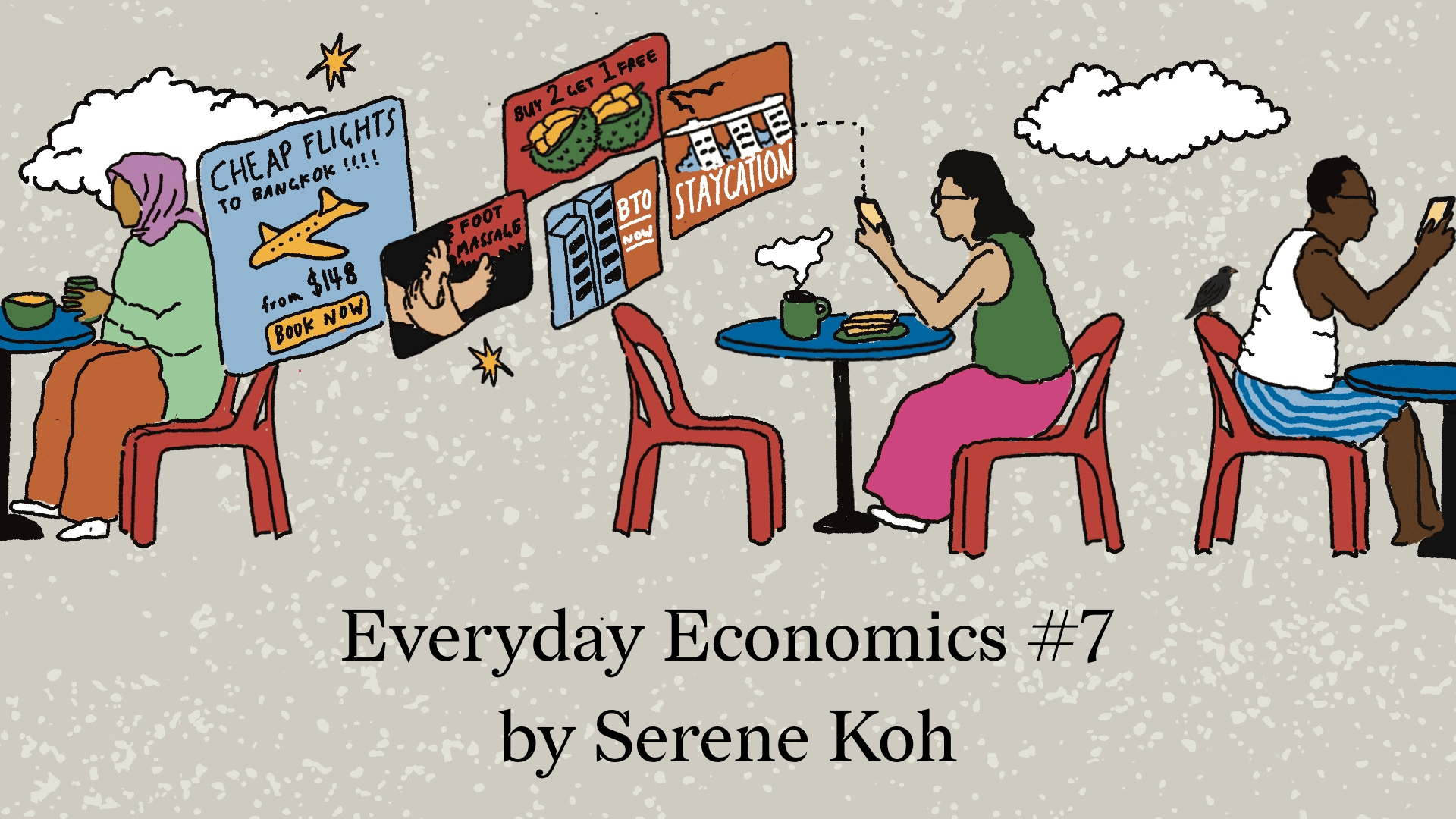
 Serene Koh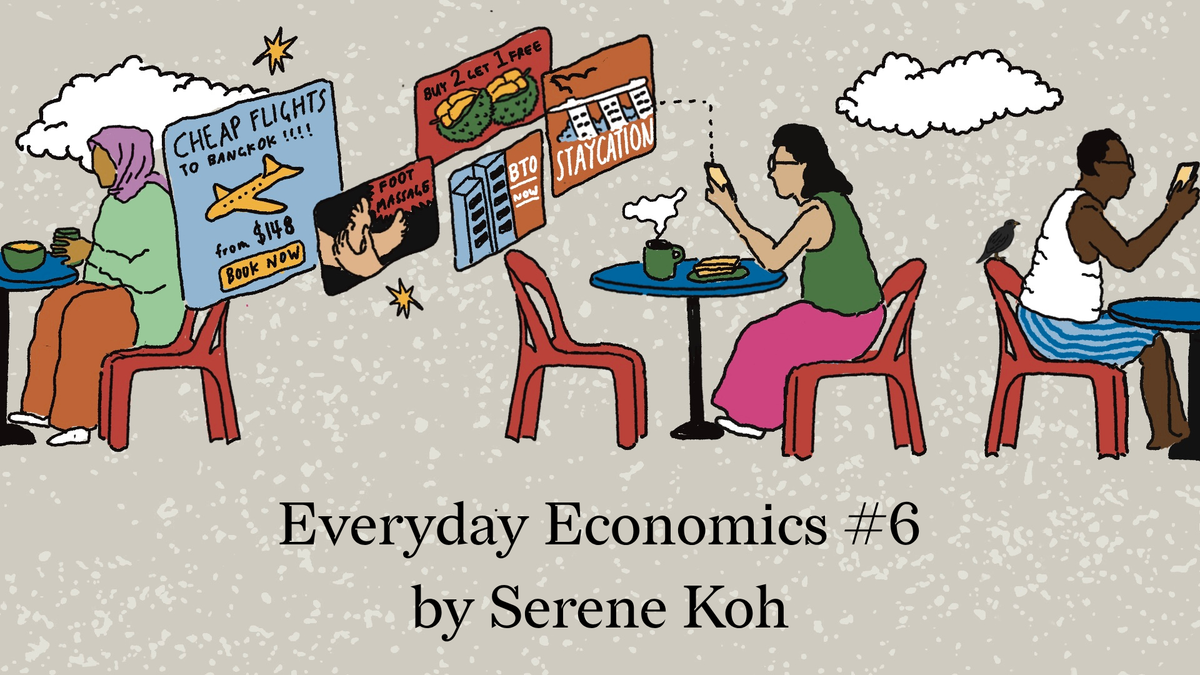
 Serene Koh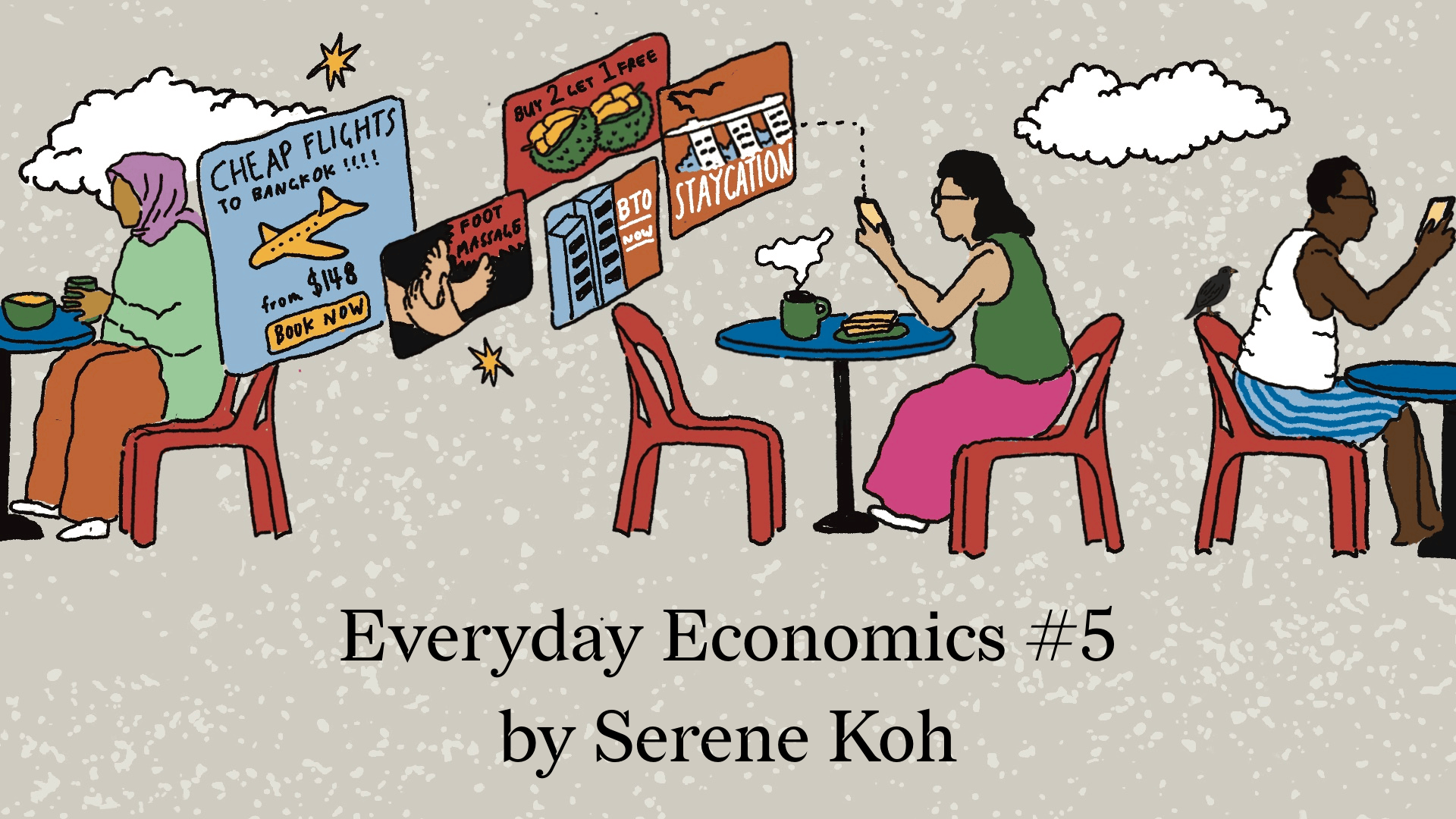
Singapore This Week
Politics: Muslim affairs and Cabinet renewal

The position of Muslim affairs minister has its antecedents in a colonial-era arrangement that insulated Malay “religion and customs” from British interference. The current role evolved against the backdrop of Singapore’s relationship to Islam—what Lee Kuan Yew described to Hilary Clinton in 2005 as a “venomous religion”, according to Wikileaks (which he later denied)—and our unique model of multiculturalism. The tensions between a secular state and ethnoreligious practices manifest most visibly with Malay Muslims, whether with the wearing of the hijab by nurses, allowed only since 2021, or the concessions to polygyny and female genital cutting. The government’s preference for managing faith through ageing patriarchs who’ll keep the flock in line was best demonstrated by reactions to the Monday of Palestine Solidarity saga.
Masagos Zulkifli, the incumbent Muslim affairs minister when Lawrence Wong took over as prime minister, was so unpopular—his fecklessness over the hijab issue just one of many—that his team recorded one of the lowest winning margins amidst a generally spectacular GE last year. After the election Wong replaced him with (in an “acting” capacity) Faishal Ibrahim, more widely liked, partly for his boldness on Israel-Palestine issues. A bit too liked, it turns out. This week we learned that he’d been interacting with a woman online. And then stopped. She complained to Wong in a letter. At some point Faishal and she—oh, so Singaporean—filed police reports against each other for harassment. Both were thrown out. But Wong accepted Faishal’s resignation. (No by-election will be called for the five-member constituency.)
Why? What’s wrong with private, consensual communications between adults? Walid Abdullah, NTU professor, said that Faishal had mended “the relationship between the community and the government after it soured during his predecessor’s tenure”, including by engaging “as many people as he could, including those who disagreed with him vehemently”. Walid worries that “impossible standards are being set, and younger people may be deterred from stepping up to serve in politics”. For two days many other Singaporeans pontificated about the nature of the texts. Perhaps eager to stanch the gossip flow, on Wednesday evening Wong expressed his shock at the texts. K Shanmugam, home affairs minister, praised his “friend and comrade” Faishal, but admitted that “his responses [to the woman] were, objectively, inappropriate and questionable”.
Muckrakers are likely to persist till the texts are public. And politicians better be wary. Adulterous couples from both sides of the aisle were forced out in 2023 following their affairs. The details of one were leaked in an insidious manner. Shanmugam also said: “Once the lady emailed to PM, to complain about Faishal, it ceased being a purely private, consensual matter between two individuals.” While fair, it also unintentionally offers a playbook for those muckrakers: any politician from any party you don’t like—just dig up those old consensual texts, and e-mail their bosses.
All this has somewhat overshadowed the cabinet renewal. Wong has promoted many of the new wonks he cajoled into politics just over a year ago—setting the scene for the subsequent 5G leadership. While there was speculation that he might become Wong’s deputy, “Shan” has instead become senior minister, while still helming the home ministry. Vivian Balakrishnan, foreign affairs minister (and fellow Ridout Road renter), is the other seasoned politician they can lean on. And 20 years after he entered politics, Zaqy Mohamad, RI boy and (previously) management consultant, is Singapore’s new acting minister-in-charge of Muslim affairs. Good luck, babe.
Other stuff we like
Migrant worker cookbook launch on Sunday. “A Hand for Migrant Workers”, a student organisation at the Singapore American School, has published At the Same Table, a cookbook featuring the stories and recipes of 55 migrant workers in Singapore. Book launch 11am-1pm this Sunday at the Geylang East Library.
Shaza Ishak on “Yah Lah But”. Teater Ekamatra’s artistic director talks about race, career choices, and much else on the popular podcast.
pauriahcarey on the Faishal saga. A selection of online comments. Fun.
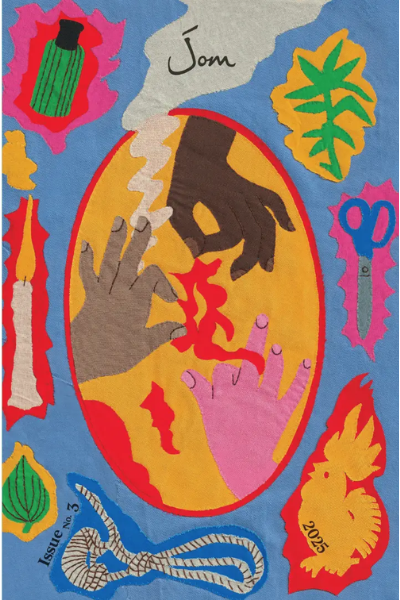
A flavour of Jom. Occasionally, Jom publishes essays outside the paywall. These are on issues we think are in the public interest, and deserve a wider airing. In the past two years, we have published nearly 50 such pieces. Read some of these if you’d like to see samples of our work. We hope they’ll convince you to subscribe. And even if you’re here with no intention of doing so, we hope you’ll enjoy these offerings and consider it time well spent!