
A blanket of mist hung over the broad expanse of farmed land, the dawn light muted as it filtered through. At first glance, it’s unclear where the drone video was recorded. Somewhere in rural South-east Asia—Cambodia, Malaysia, or Vietnam—perhaps? Not Singapore, surely.
If what you’re used to seeing of the city-state is her gleaming skyline, an urban planner’s concretised wet dream, then this bucolic dreamscape is likely to come as a surprise. Not for Chai Sheau Shi, however, who is scrolling through hundreds of similar videos and photographs in various shades of green—from wide shots of verdant fields to close-ups of wildlife: a butterfly emerging from its cocoon; a paradise tree snake peering from its perch on the Bodhi tree; fireflies and the full moon lighting up pitch dark, countryside Singapura.
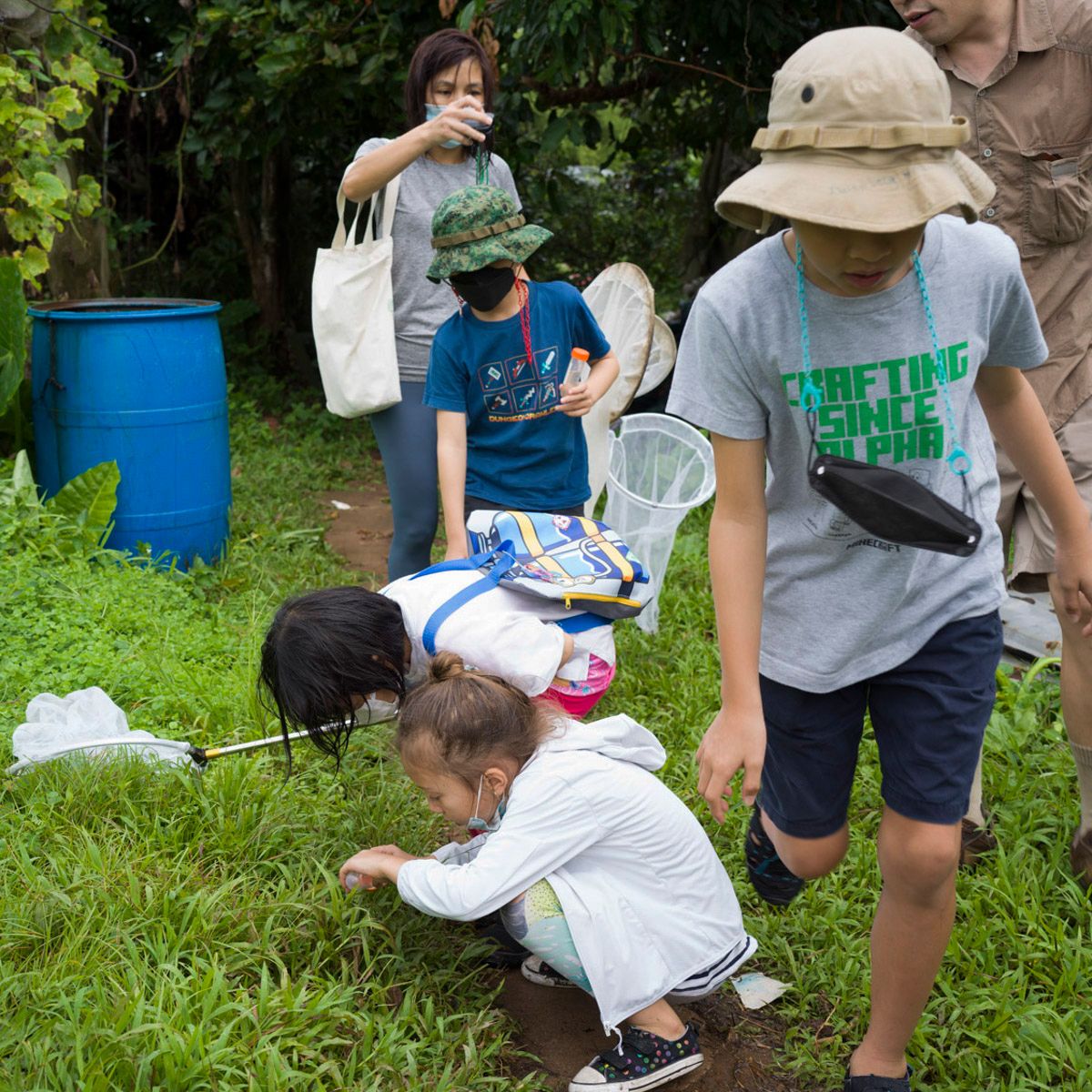
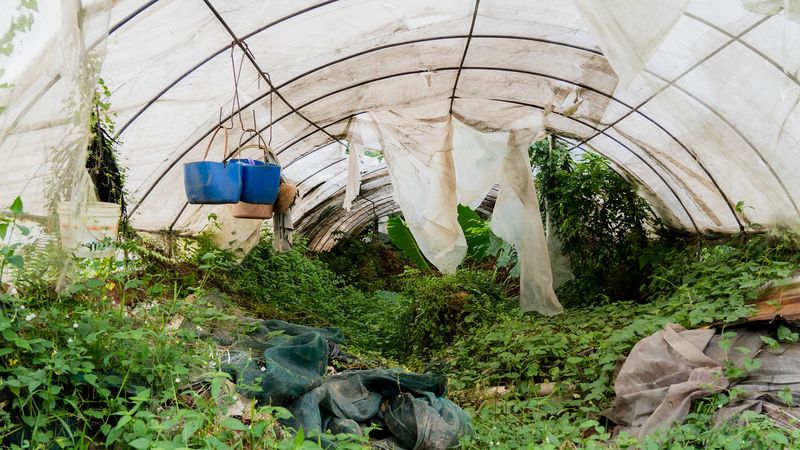
Sheau Shi, 40, and her two brothers grew up on vegetable farms that their parents had tilled and sowed for more than three decades. For most of us who only know of living in urban Singapore; of landscaped surroundings criss-crossed by asphalt and cookie-cutter shopping malls, it’s hard to imagine what it could have been like to run bare feet across exposed earth, to jump into muddy pools left by passing storms, or to tumble in grass teeming with insect life; to wake not to the dreary drone of traffic, but to the cacophony of birds and bugs beginning their day in wild abandonment. This was the reality of Chai and her siblings—a childhood led not by the relentless march of progress, but by the instinctive rhythm of nature.
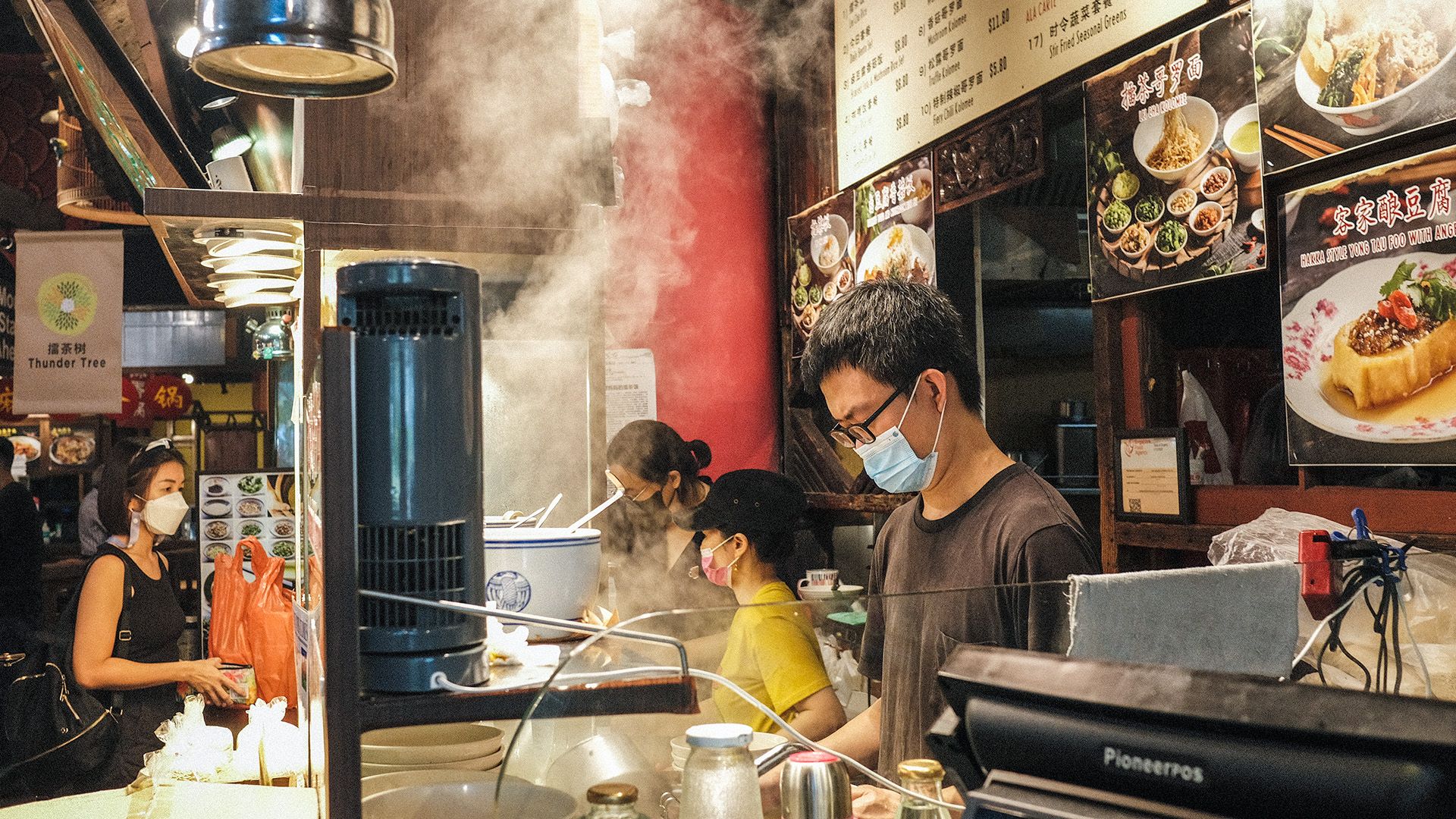
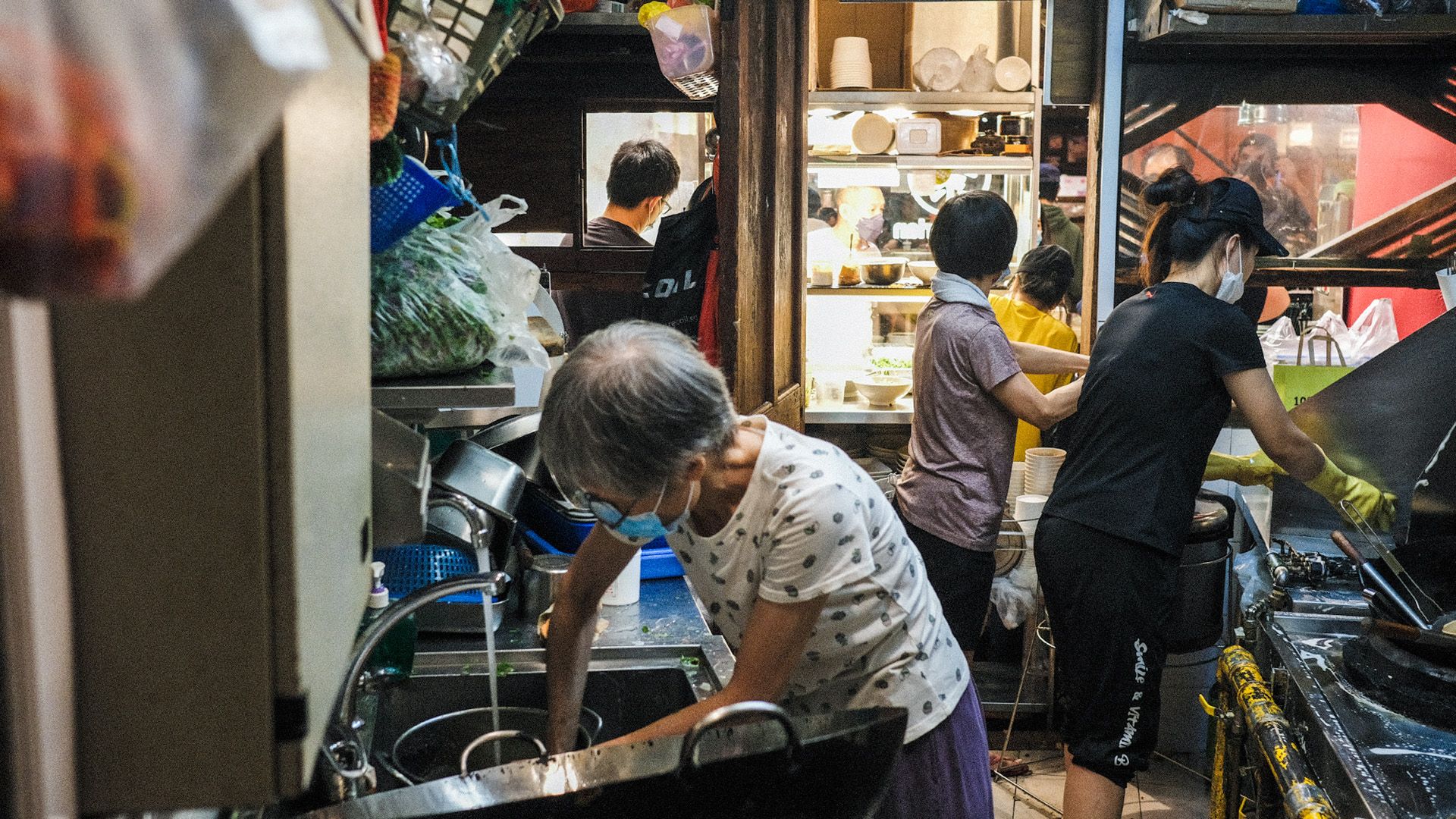
In 1998, Chai Kien Chin, their father, decided that he would stop using chemical pesticides and fertilisers: “To eat with peace of mind; to eat healthily.” In order to make the organic farming business more sustainable, Sheau Shi and her brother Cai Youzhao operated a farm-to-table hawker business, transforming “ugly”, reject vegetables into delicious lei cha (“ground tea”) rice, a traditional Hakka dish also known as ‘thunder tea rice’. The Chais would compost any food waste, thus completing the food cycle.
But all that’s now gone; Sheau Shi’s left only with gigabytes of memories.
The Chais’ story is a well-told one in development-centric Singapore: a farming family forced to relinquish their livelihood after the government rezoned and reacquired the land they had leased. Fireflies Health Farm is one of 70 farms in north-west Singapore slated to be razed for military use. The tenants, in varying stages of eviction, have until end February 2023 to leave.
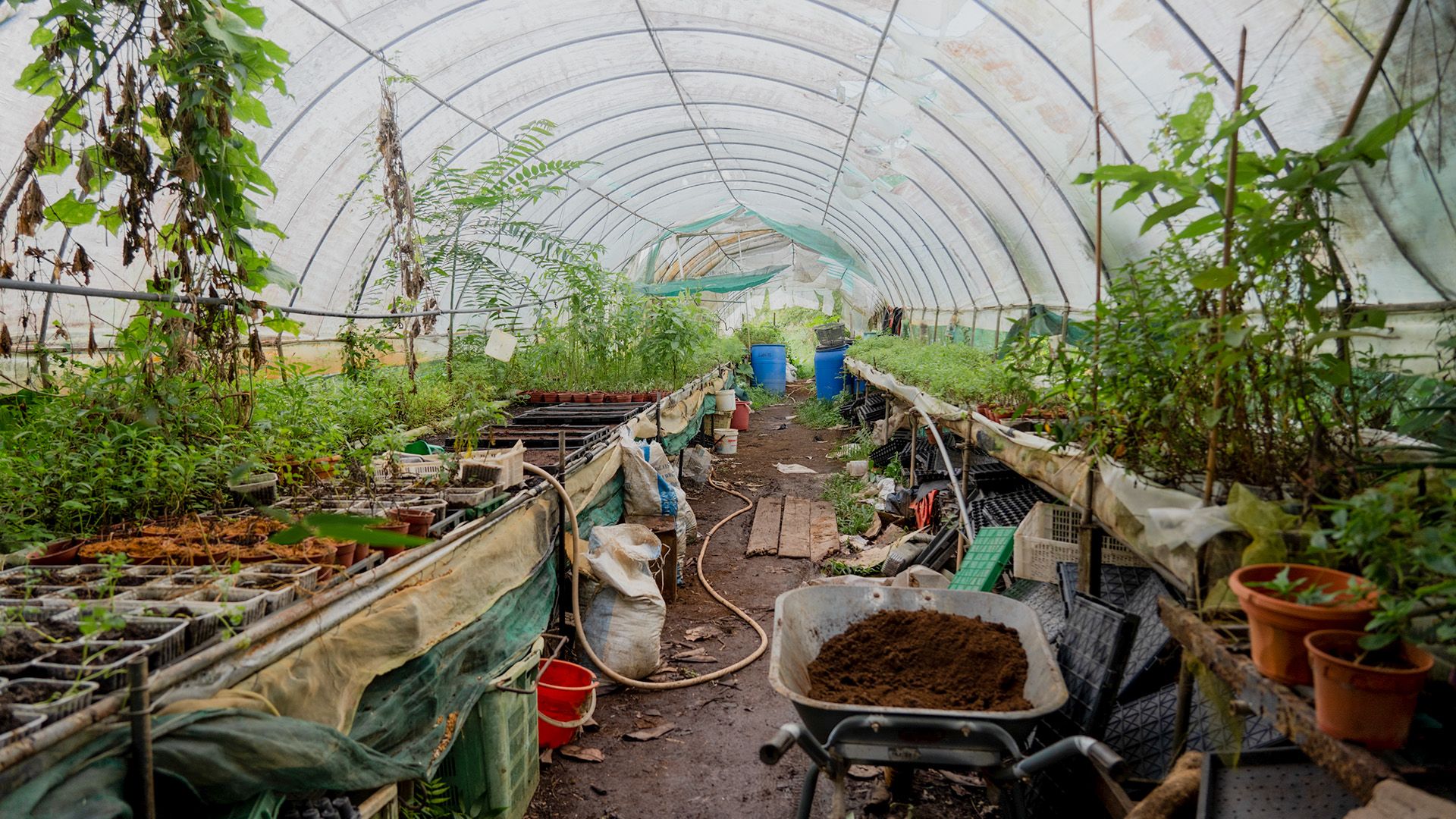
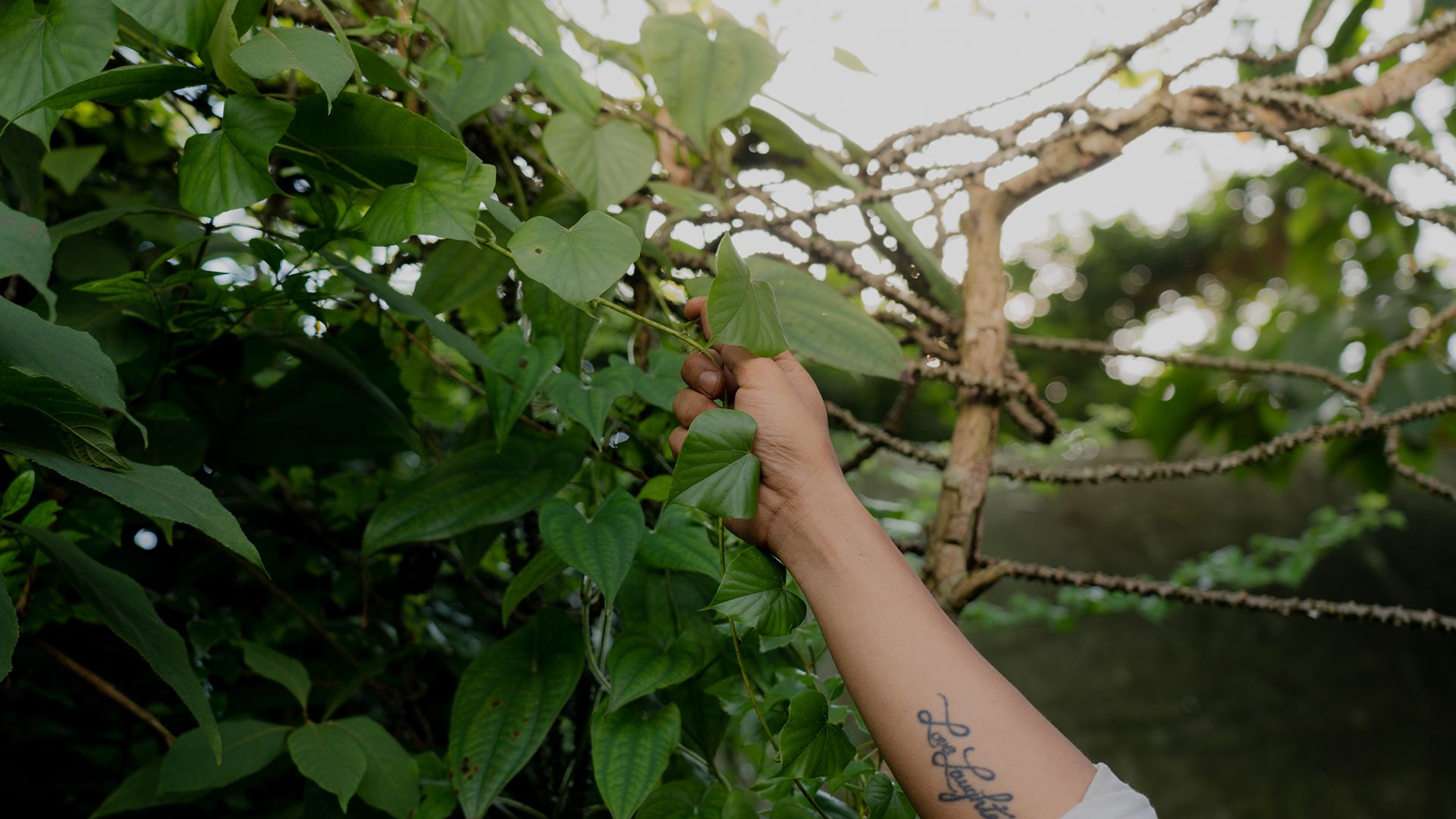
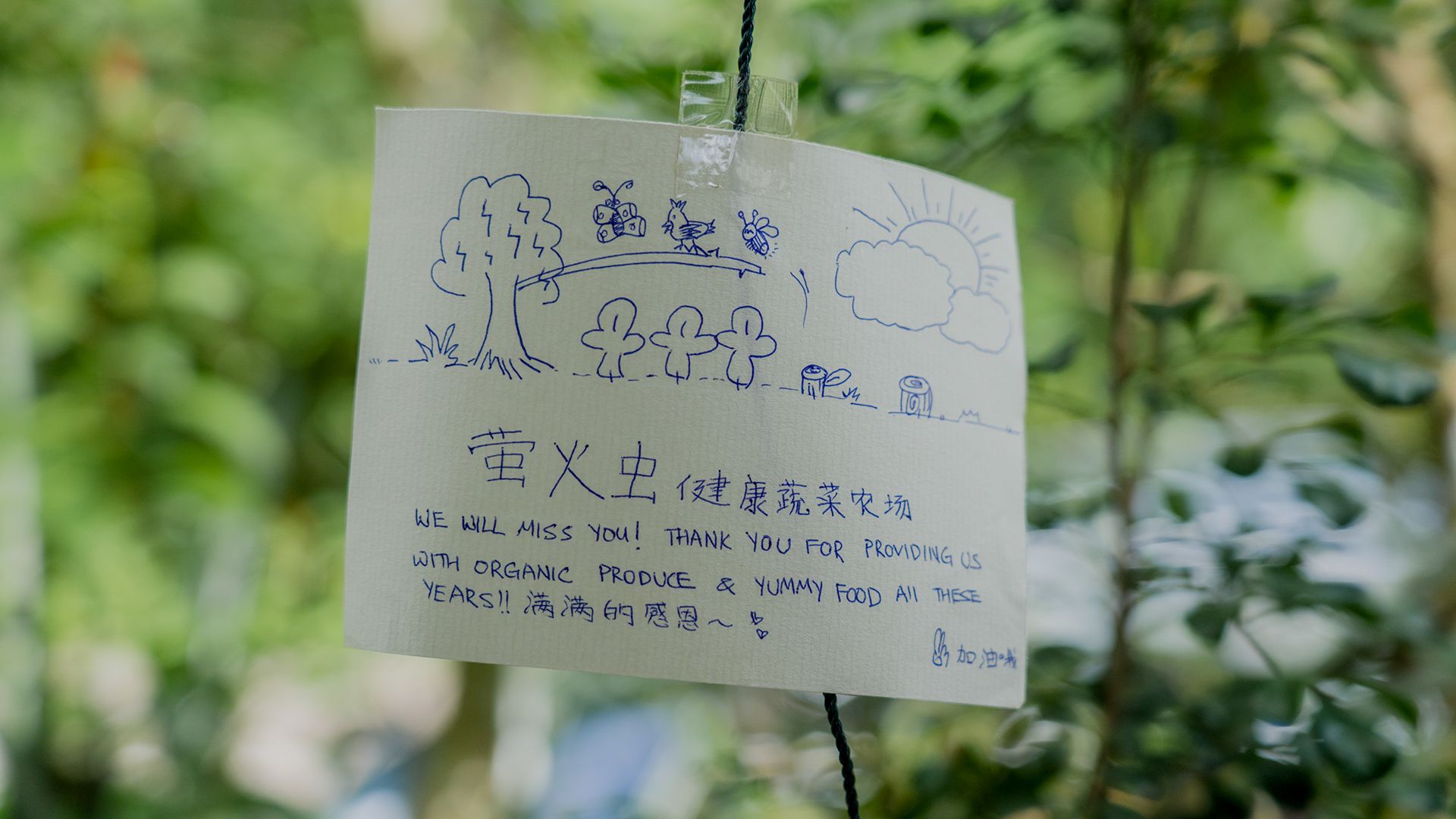
The sense of loss was palpable as Sheau Shi recounted the final weeks leading up to them vacating the farm. Having spent the past months painstakingly dismantling the life they had built and nurtured on 3.1 hectares of life-giving soil—about the size of four football pitches—she says that they are in varying stages of grief and shock, after finally packing up and shifting back to their public housing flat.
They [her parents] are in their 60s and 70s; as a person ages, the sense of worth diminishes when you have nothing to do, and have no future to look forward to. So I guess the sense of loss is immense, because what's next? - Chai Sheau Shi
Food farms occupy about one percent of Singapore’s land—150 of them are land-based, the rest are either indoor or rooftop. Small-scale, traditional, soil-based farms have become increasingly rare. In Singapore only a few, like the Chais’, are organic (read: lower yield). Given the government’s “30-by-30” food-security goal to meet 30 percent of the nation’s nutritional needs with locally produced food by 2030 (from less than 10 percent now), the land tender process invariably favours proposals, like vertical farming, that require less of our scarce land (read: high yield).
Efficiency. Productivity. Optimisation. “Growing more with less, sustainably.”
To meet production quotas, the Chais would have had to compromise on their organic farming principles. This was not an option for them.
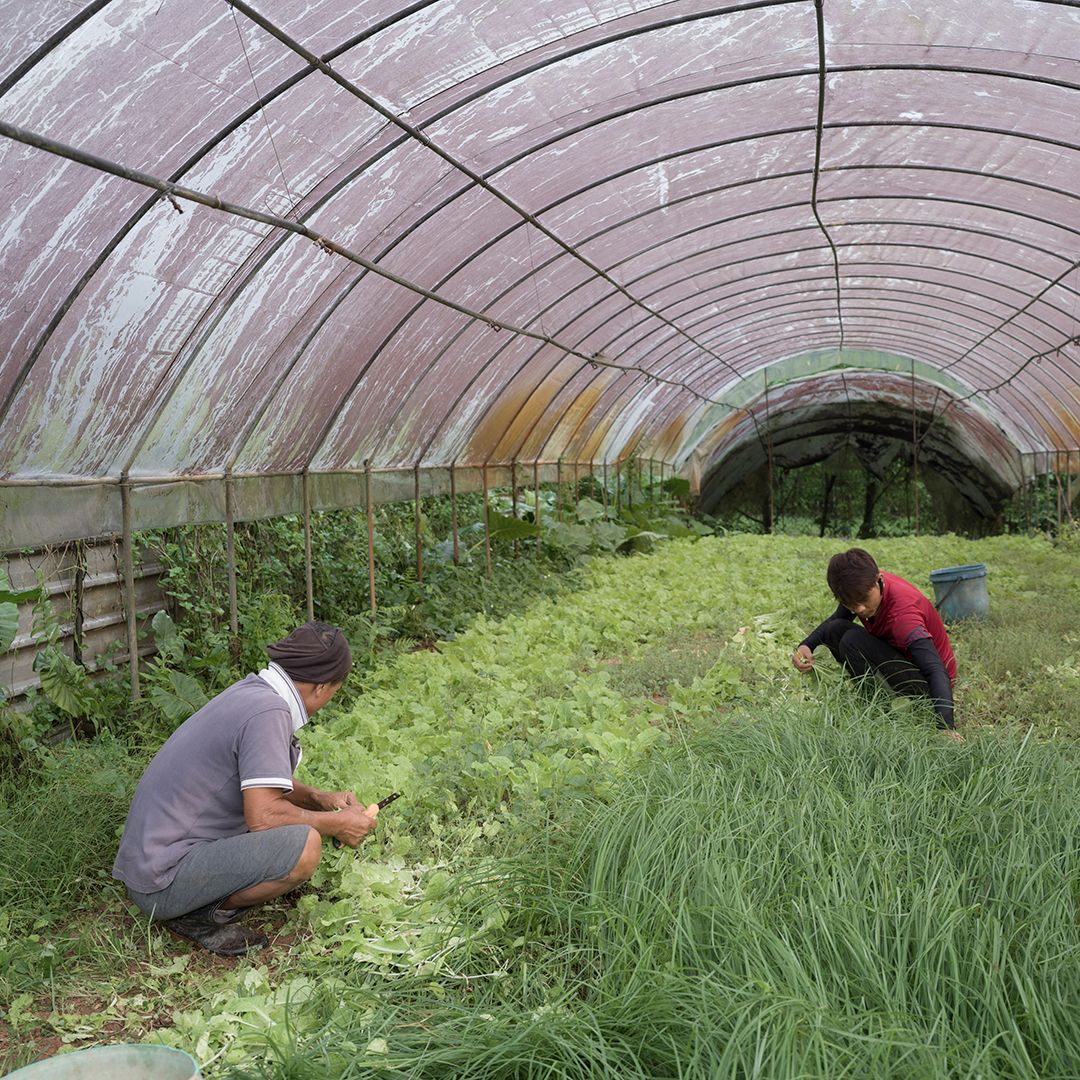
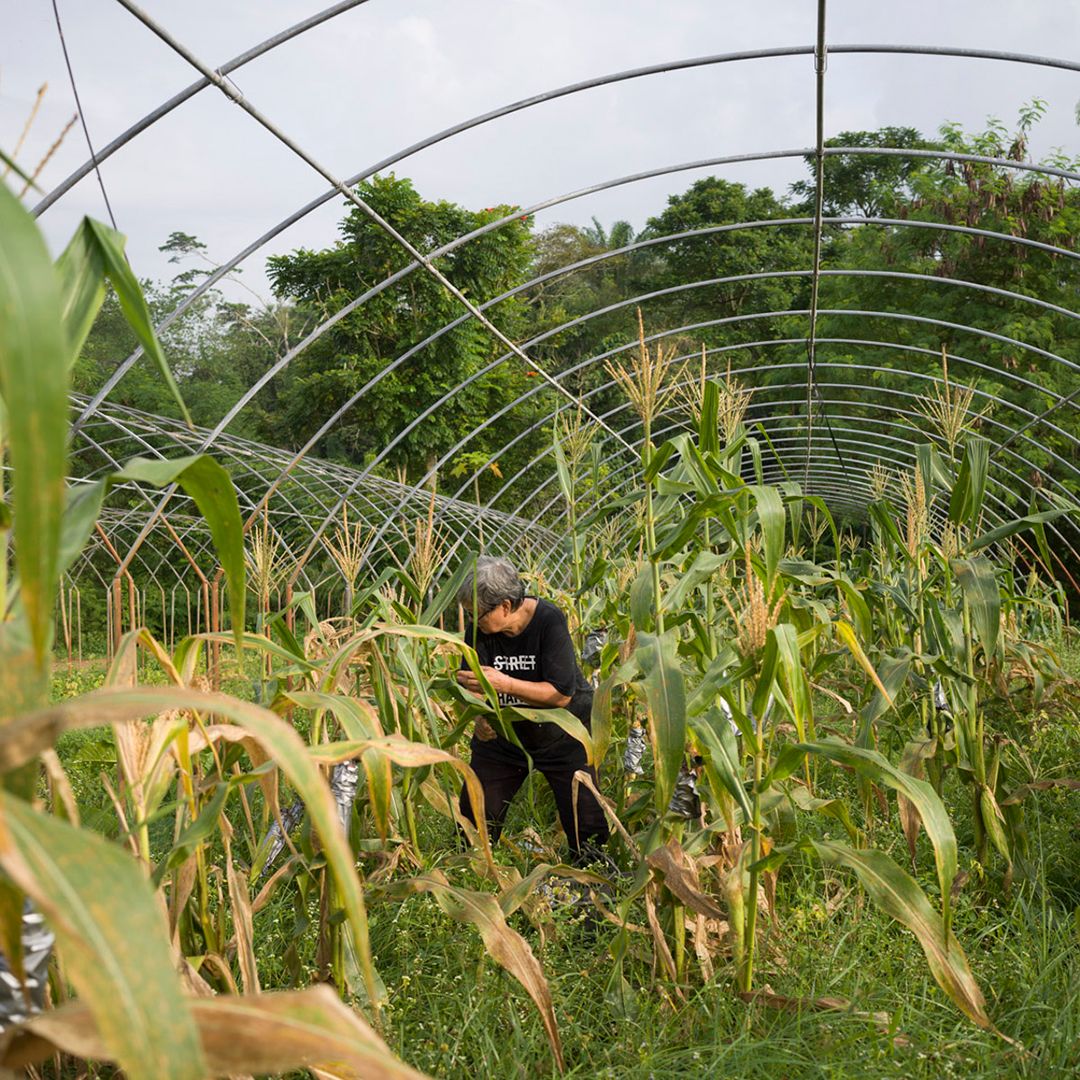
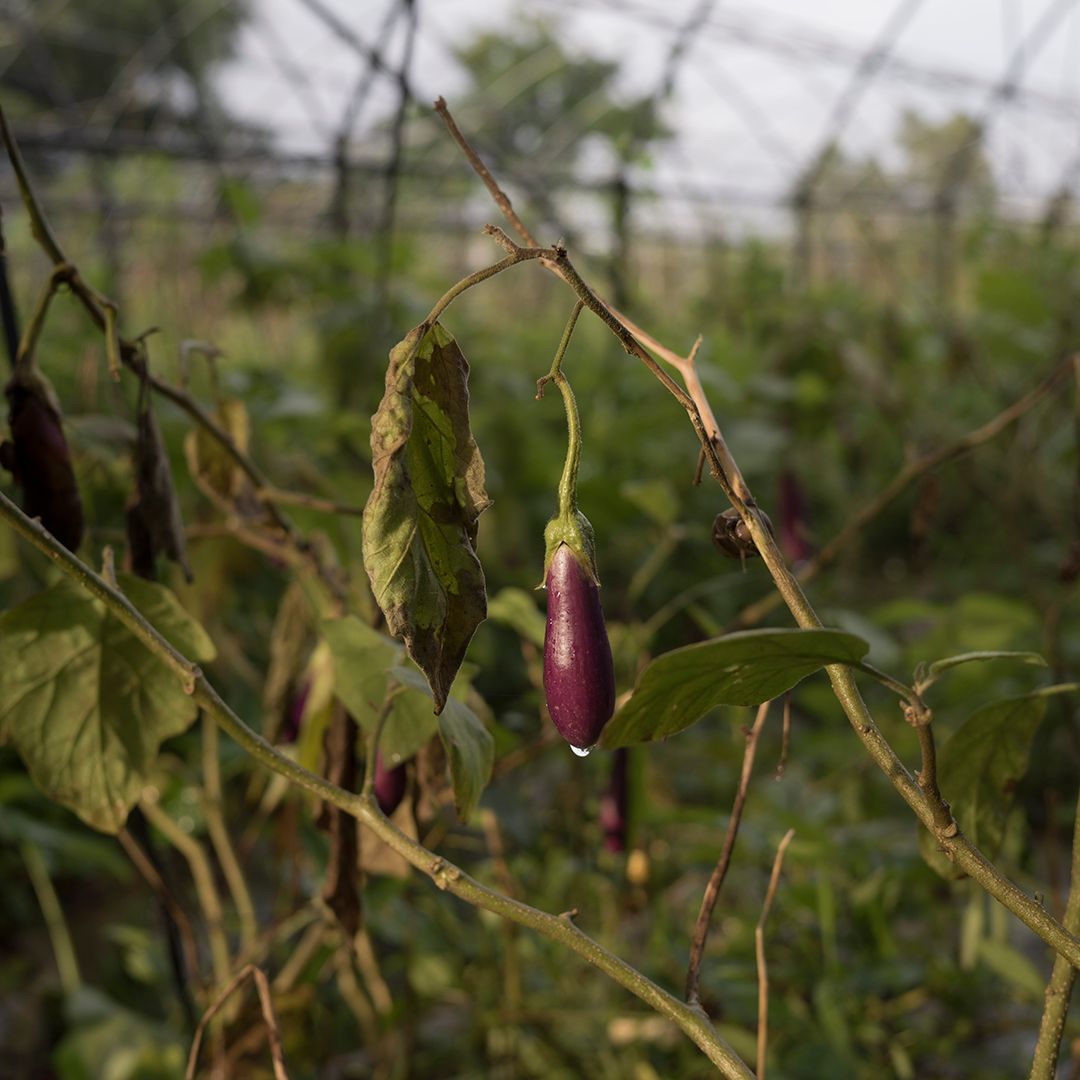
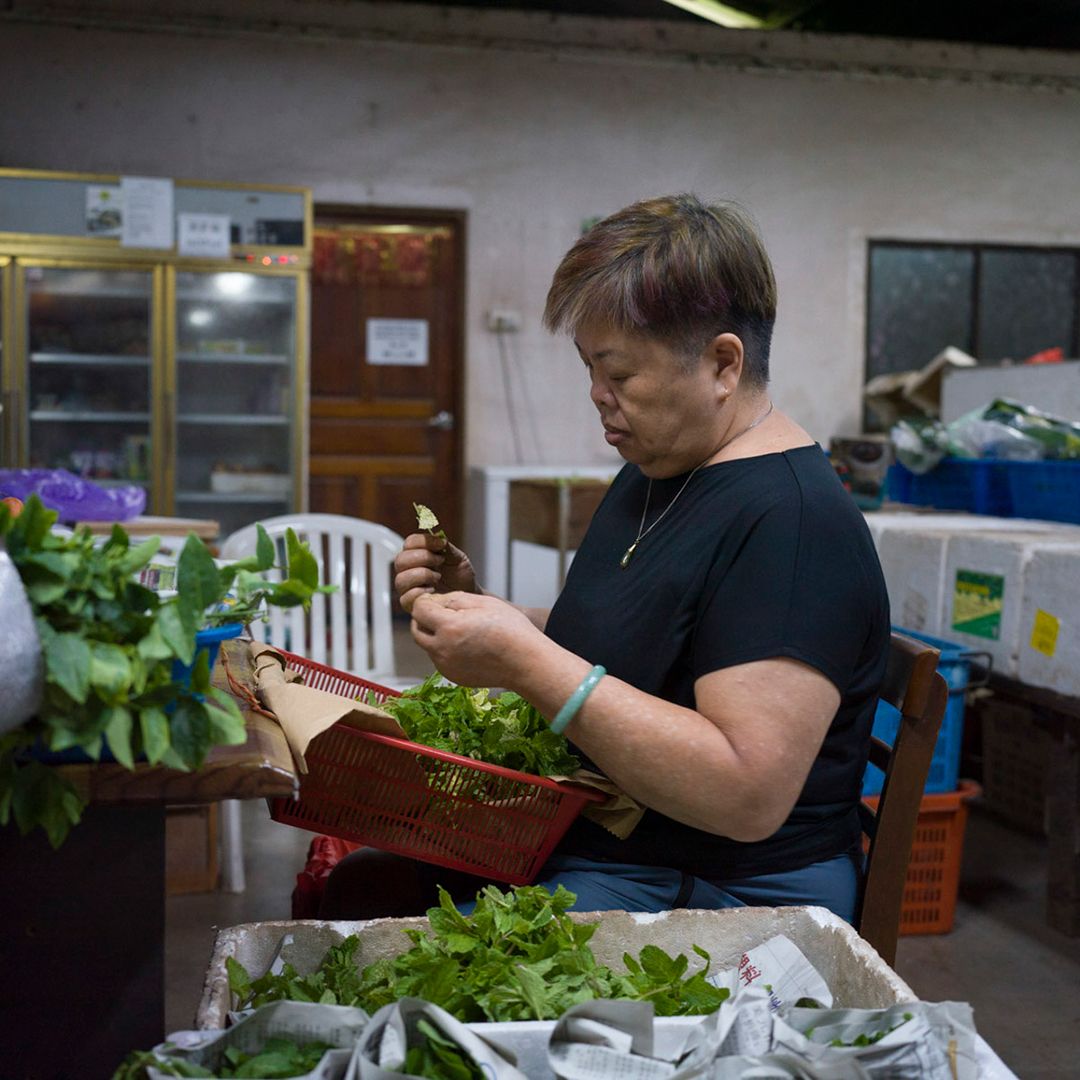
In pursuit of hyper-development, have we sacrificed our connection to the land? Communities who depend on the land for life and sustenance relate to it through mutual respect—quite contrary to those who view the land as acreage to pillage and to conquer.
I love Singapore but does it love me back? I mean the entire social build-up, the policies that were made, it's making it very hard to breathe. Everyone has their different standard of [what’s] liveable. For me, Singapore’s become less and less liveable. - Chai Sheau Shi
The way the government defines land use has in some ways determined what we value as a society. In Singapore, the utility of land has been inextricably linked to the means of production and productivity. This state-sanctioned approach has its roots in colonial exploitation and the post-colonial developmental state. Yet it is one increasingly out of touch with modern Singaporean society.
Granted, the concerns about food security and sustainability are serious ones. But is moving from traditional farming to modern, high-tech and urban farms the only way to achieve the city-state’s “30-by-30” vision?
What non-land-based farms lack is a direct connection to the earth, something Sheau Shi believes makes all the difference to the nutritional value of the crops. By nurturing the soil with organic farming techniques, the land is also regenerated, which supports nature in a way that sustains and nourishes its biodiversity and ecosystems.
A part of what was special about Fireflies Health Farm was the desire of the Chais to reconnect people to the land by using vegetables that they grew to prepare the lei cha rice they sold. Even then, as the queues formed ahead of them closing their last-remaining stall on June 30th, it’s easy to recognise, even if wistfully, that what many people will miss is the food on their plates, not the earth from where it came.
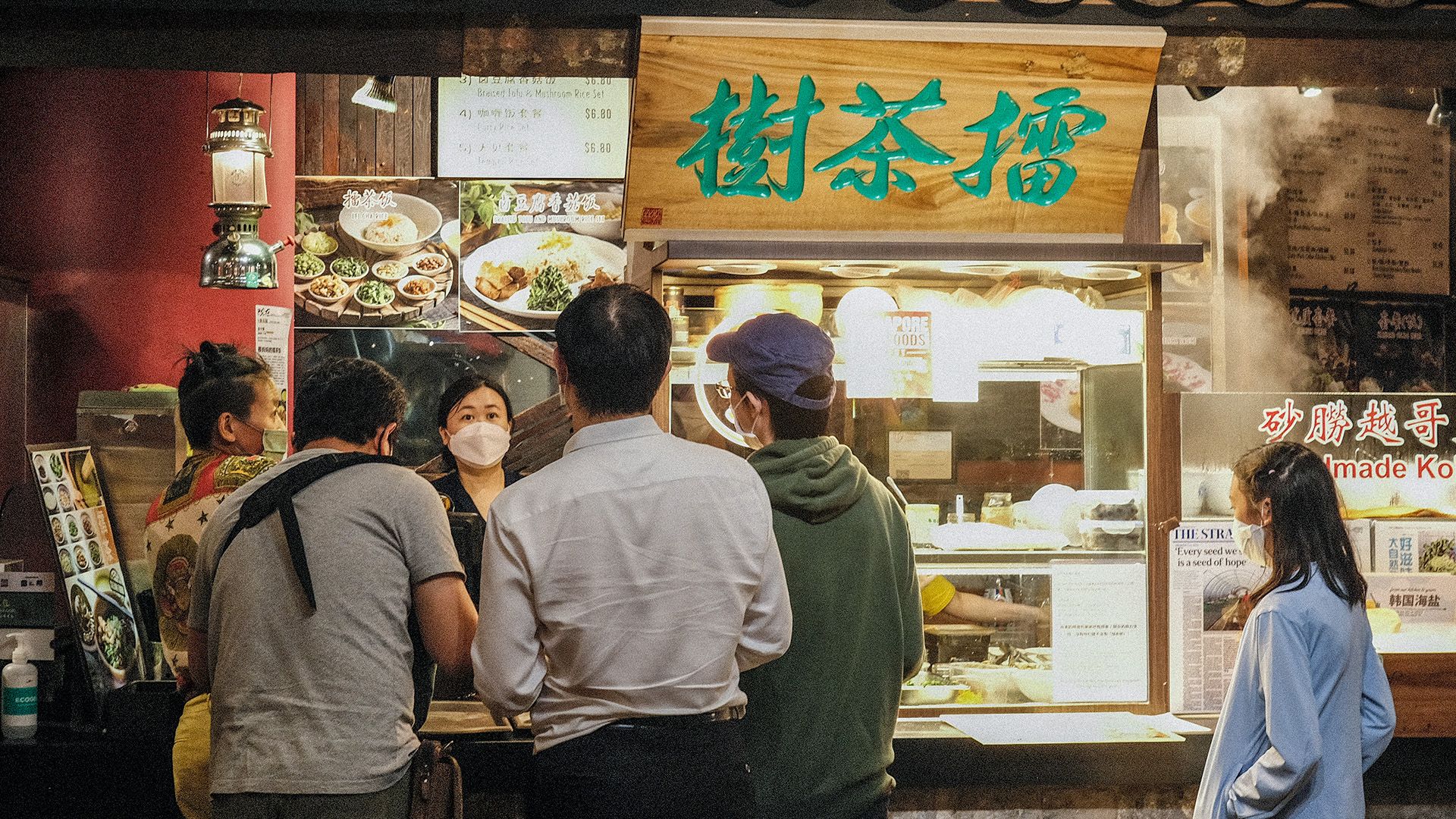
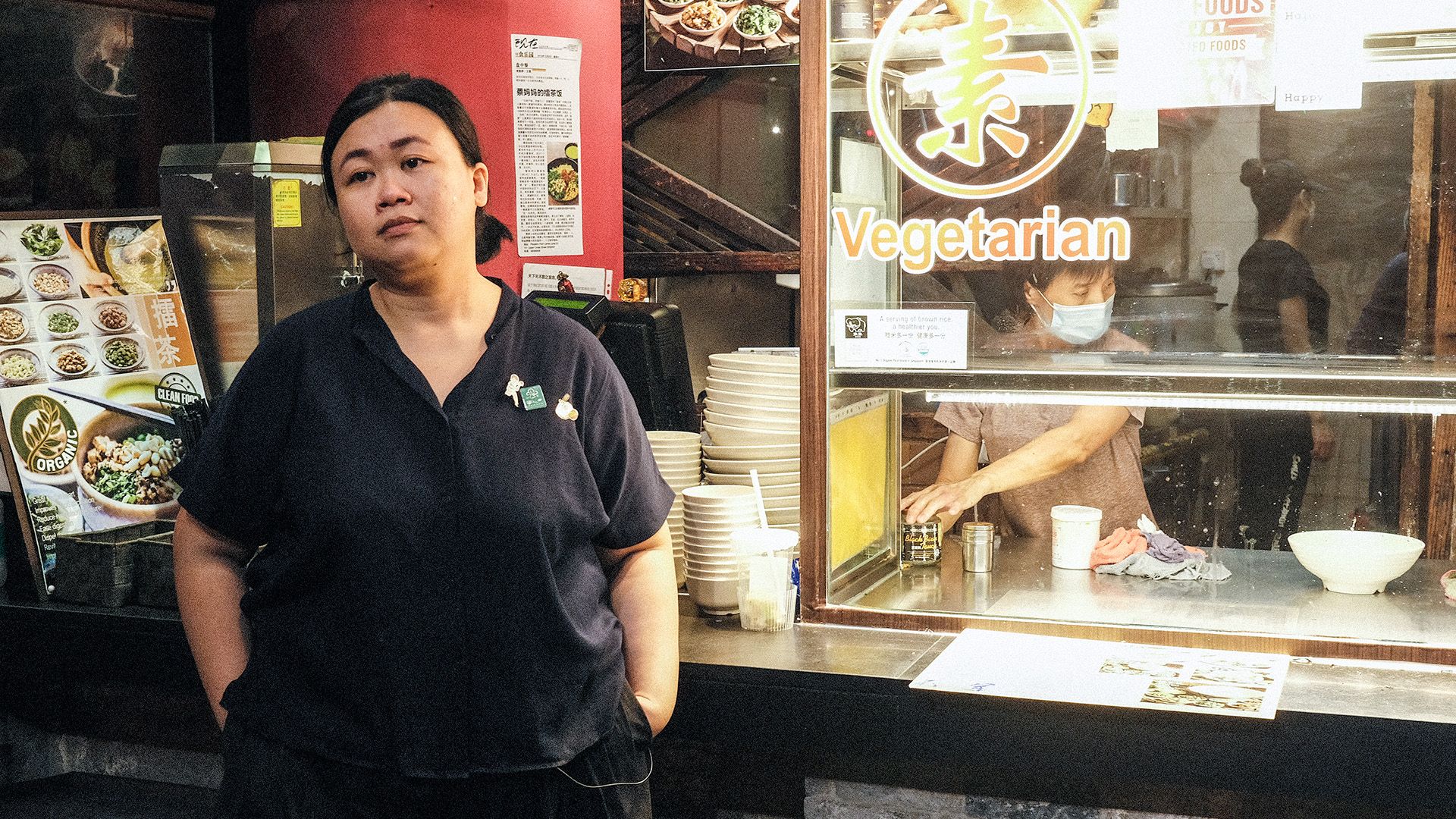
So what must we do to rescue and restore what remains of the fragmented and disaffected relationship we have with our land? To take on the mantle of stewards and custodians, rather than as colonisers. To take ownership of it, not in the way that the state means to wield it to its will, but to realise that all of us have a stake in protecting it for the future—to give back as much as we take away from it.
In Alfian Sa’at’s rousing play “Pulau Ujong/Island At The End”, composed of a series of mini lectures that survey and critique the disastrous ramifications of climate change, sustainability strategist Madhumitha says:
It’s not ownership in a form of a colonial ownership
That’s not what I'm advocating for.
But ownership in this form of,
"I believe by making regenerative practices
I am making this place better for the next generations.”
Read Jom's essay, "Lei cha, a gift from the Hakkas", on the history of the dish.
Tsen-Waye Tay is Jom’s head of content.
Ore Huiying is a freelance documentary photographer, who grew up on her family's farm, and has been photographing life in rural Singapore for over a decade. We Were Farmers, a photobook (followed by a documentary and exhibition), charts her family's journey alongside the island's development. She used a medium format digital Hasselblad for this photo essay. Ore does commissioned work for publications like The New York Times and The Washington Post.
Jean Paolo Ty is a filmmaker and photographer. He co-founded Parabole, which is focussed on creating social impact videos that raise awareness and action. Pao took the photographs for this essay during one of the open house days at Fireflies Health Farm, before it was permanently closed in August.