
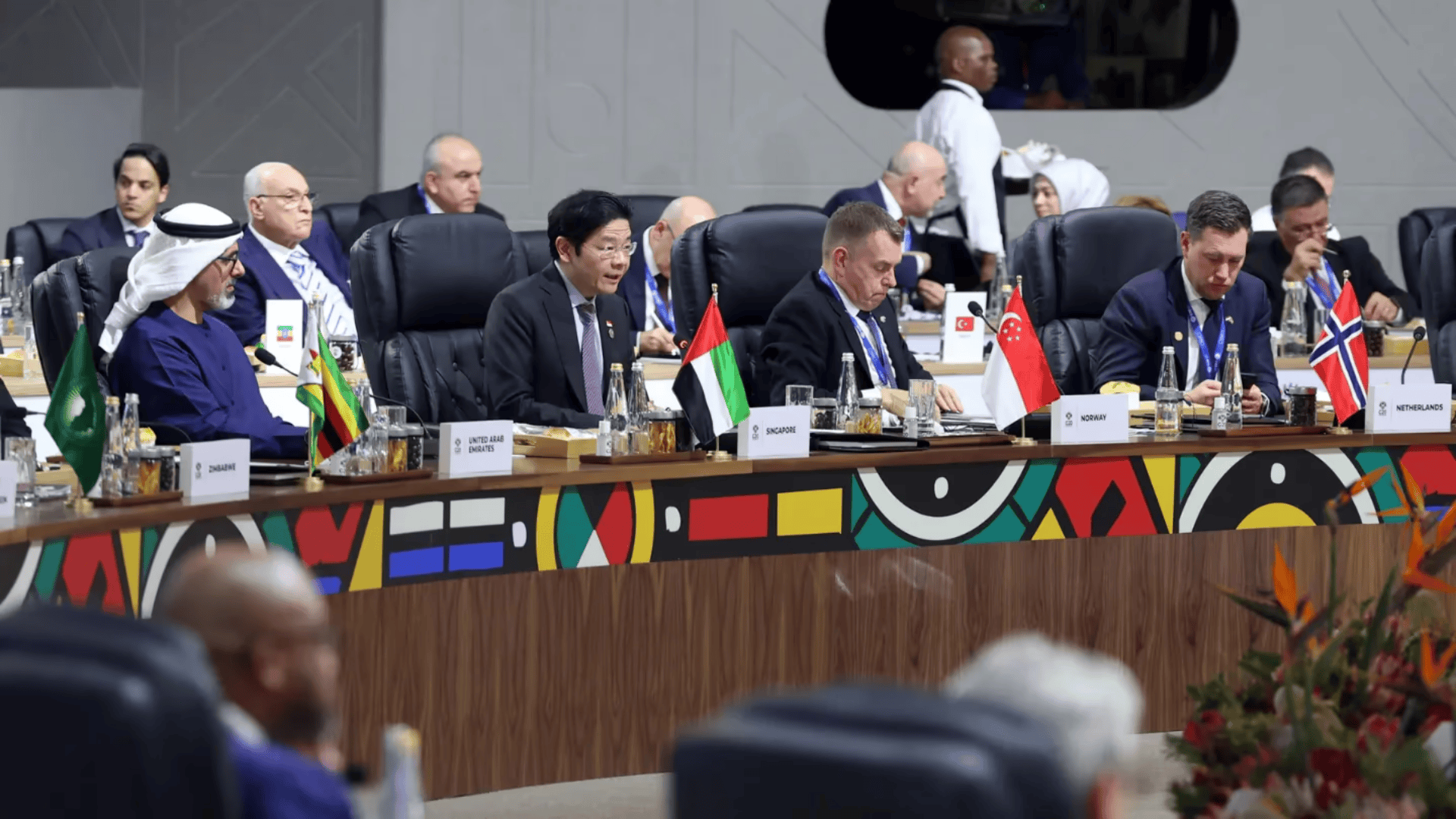
For subscribers only
Subscribe now to read this post and also gain access to Jom’s full library of content.
Subscribe now Already have a paid account? Sign inSubscribe now to read this post and also gain access to Jom’s full library of content.
Subscribe now Already have a paid account? Sign in
The recent Forward SG exercise hints at the radical promise of deliberative democracy in Singapore. Can we live up to it?

A shift to an open-by-default data governance structure would foster the more participatory society the PAP claims to want.
Lawrence Wong’s new cabinet reflects tinkering to distribute power and foster teamwork, his desire to reward performance, and possible strategising ahead of the next election.
Lawrence Wong and the PAP were the big victors at GE2025, though the WP and society at large can take consolation from the results.

Inequality is arguably the most important big-picture issue at stake in the upcoming general election.

Please click on the link sent to your e-mail to login to your account.