

For subscribers only
Subscribe now to read this post and also gain access to Jom’s full library of content.
Subscribe now Already have a paid account? Sign in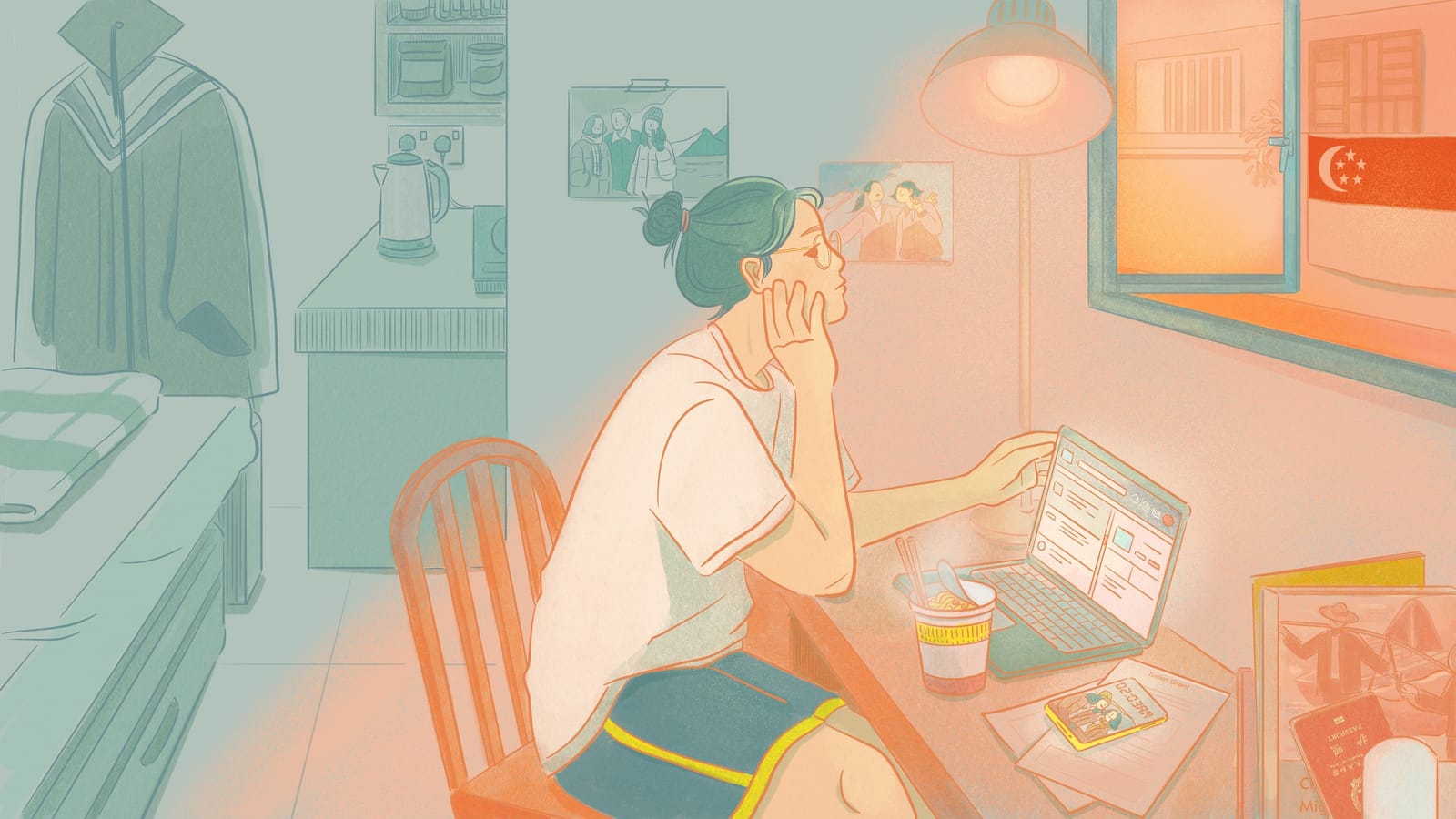
Drawn here by scholarships, and often offered a pathway to citizenship, the lives of migrant Chinese female students in Singapore are a mix of promise and pressure, complicating feelings towards their adopted home.
Subscribe now to read this post and also gain access to Jom’s full library of content.
Subscribe now Already have a paid account? Sign in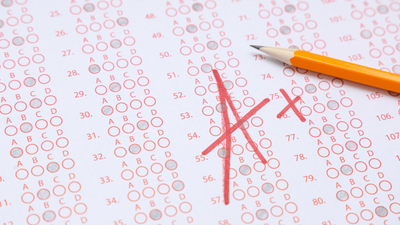
Singapore’s consistently dizzying PISA rankings point to the latent potential in the nation’s children. But is the system set up to nurture it to its fullest?
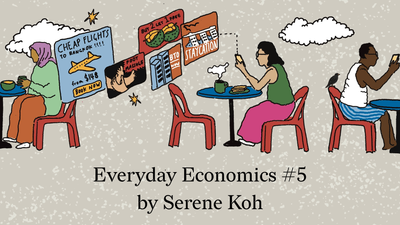
You can get your groceries at the wet market, the supermarket, or through delivery apps—and each offers you different information to guide your choice. But information isn't the same as guidance.
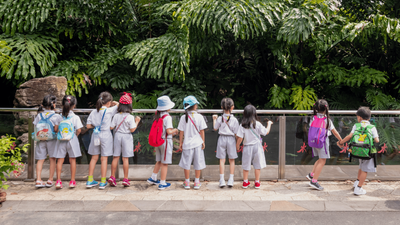
A national body overseeing child and youth welfare would make it easier for caregivers and all others who interact with children to navigate the patchwork of support and services available.
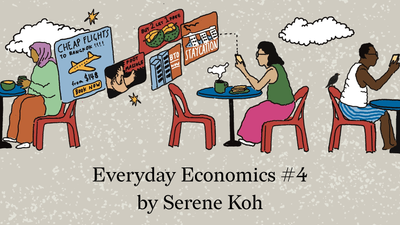
Of tissues, trays, and trade-offs—and how they help hawker centres function.

The Migrant Writers of Singapore creates spaces of belonging for workers looking to practice their craft through community. But can their stories present a new narrative about migrant lives and push our cosmopolitan, capitalist nation-state to pay closer attention?

Please click on the link sent to your e-mail to login to your account.