
The unmasking of NRICs and the masking of bungalow deals point to the transactional nature of life here, and to potential challenges for the ruling party.


Sudhir Vadaketh
Sudhir’s work is focused on amplifying the voices of people marginalised by dominant power structures. His areas of concern are inequality, corporate and political hegemonies, and social hierarchies.
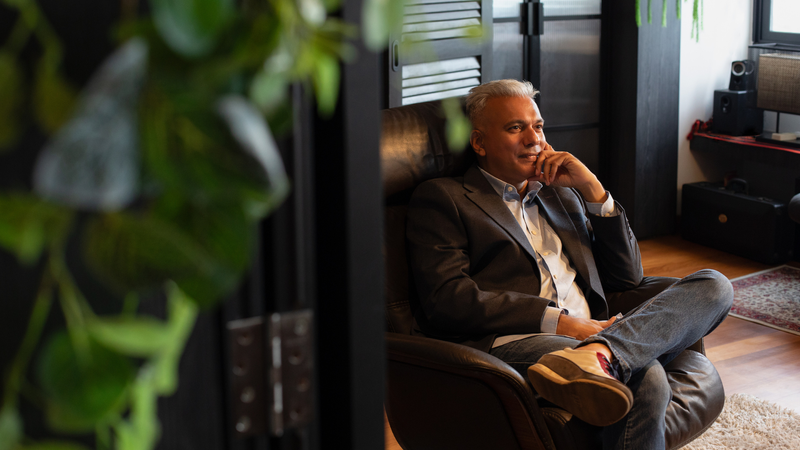
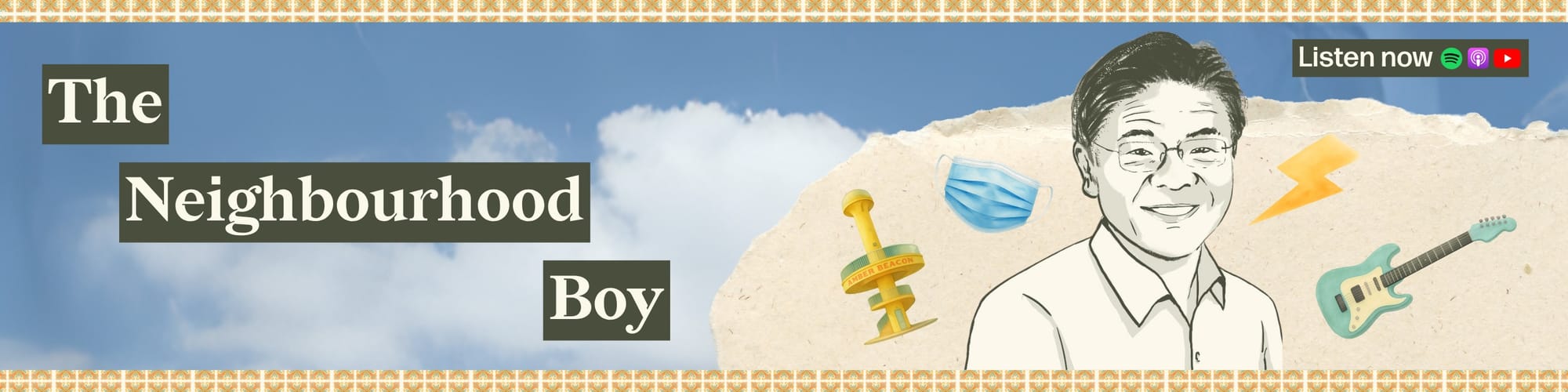
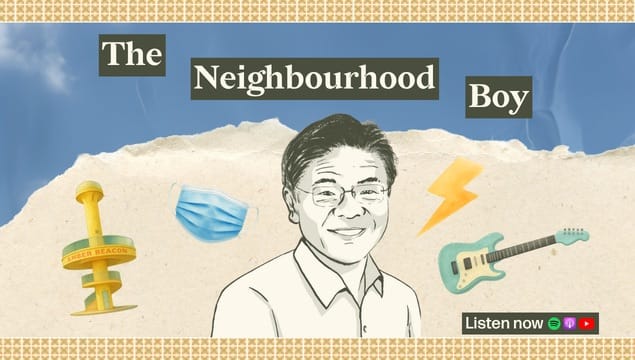
Some 18 years after he interviewed with the ruling People’s Action Party (PAP), Harpreet Singh Nehal has joined the Workers’ Party. How much of a threat will the kampung boy turned senior counsel pose to the PAP?
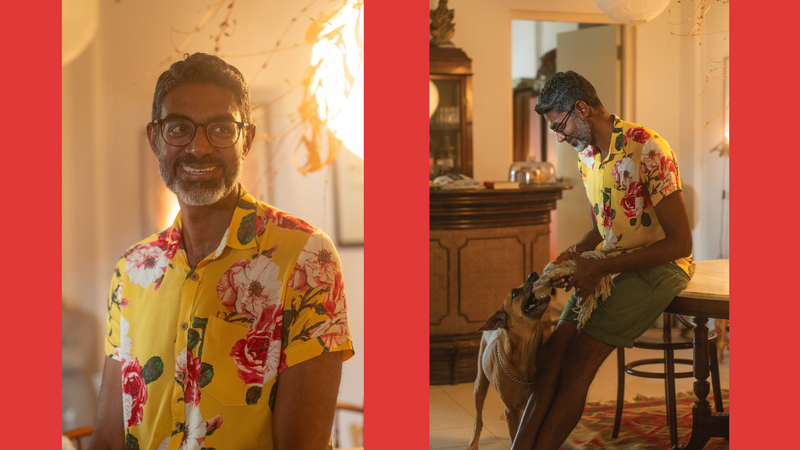
After six years at the helm, is The Projector's general manager any closer to defining what exactly it is?
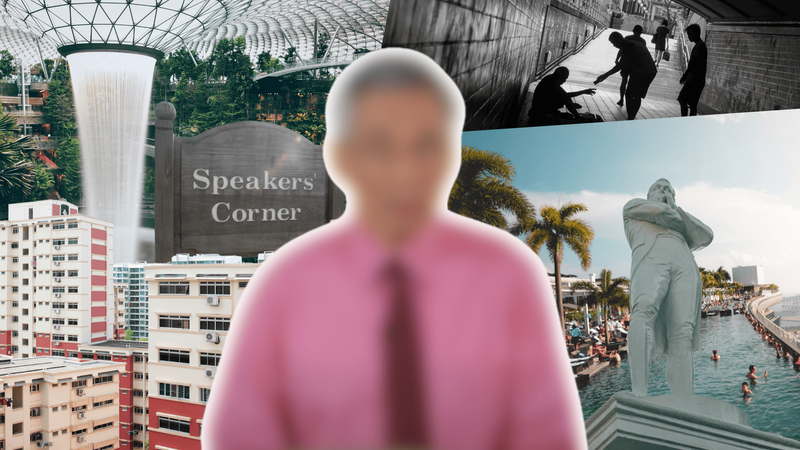
The two-decade rule of Singapore’s third prime minister has led to a fabulously rich global city, but also a society that is more unequal and divided than ever before.

Singaporeans have felt powerless during Israel’s war on Gaza, but Dr Ang Swee Chai, back only for the third time in 47 years, has never felt more hopeful for change.
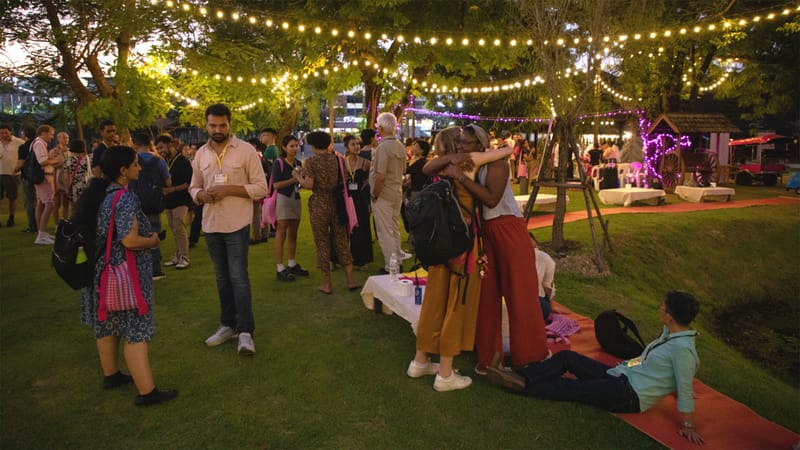
For almost a decade, Alan Soon and Rishad Patel of Singaporean firm Splice Media have been talking about the ongoing transformation in the media, and advising start-ups across the region. What have they achieved thus far?
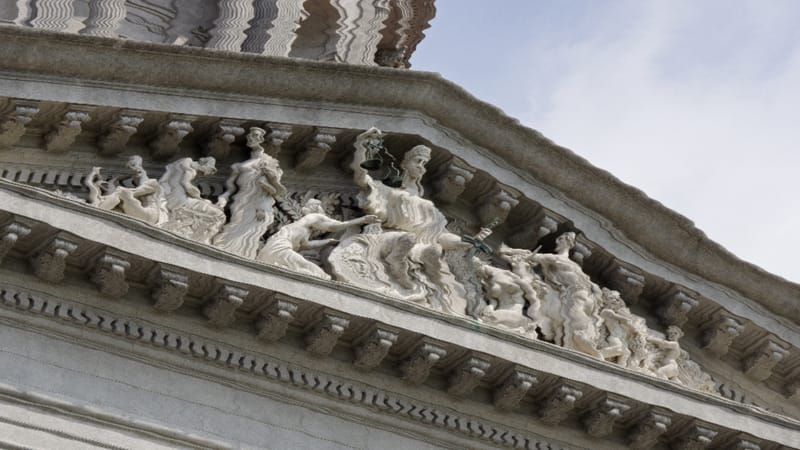
As Jom’s POFMA journey draws to an end, we analyse our alleged falsehoods, and the potentially harmful effects of POFMA on journalism here.
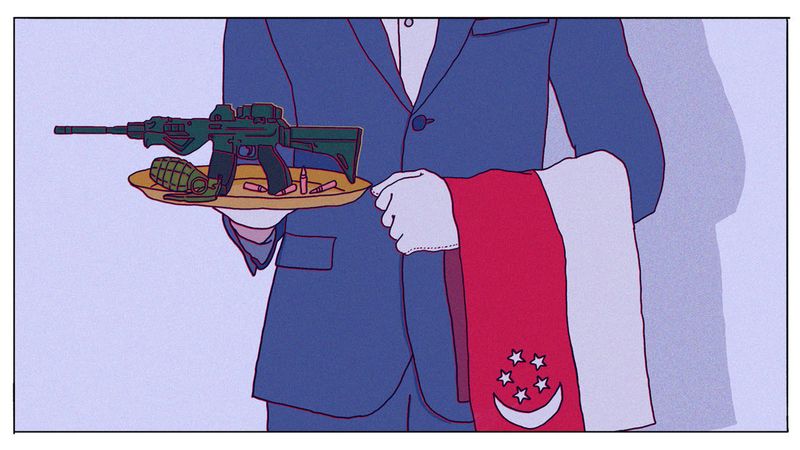
Global plutocrats have long regarded Singapore as a safe haven for their investments. Recent revelations point to illicit flows that are possibly far more nefarious in nature.
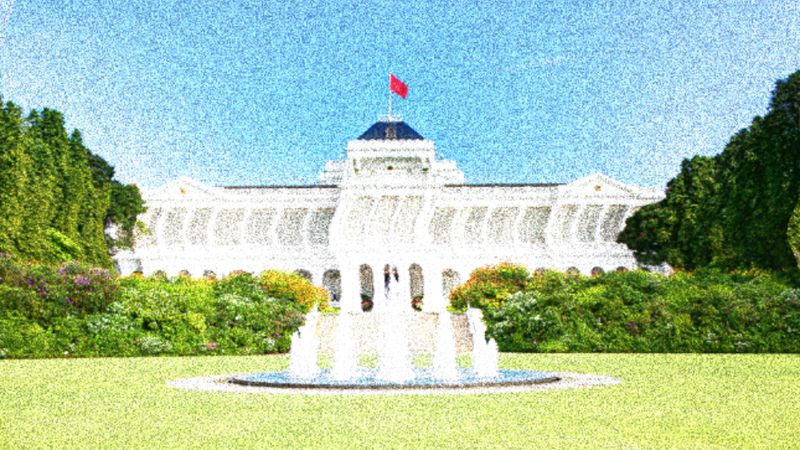
Ahead of the polls on September 1st, some Singaporeans have vowed to spoil their votes, in protest at what they believe has become a farcical race for head of state. But for the many undecided voters, an analysis of the candidates might help to clarify some doubts before they head to the ballot box.
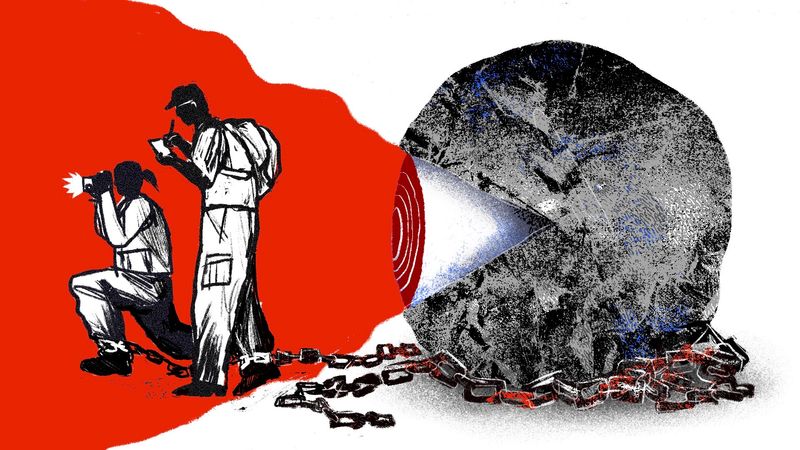
Over two years, Singapore has risen in position from 160 to 129, thanks in part to the media environment deteriorating in other countries, writes Jom's editor-in-chief, who's on the survey panel. He suggests how Singapore can further liberalise its media landscape.
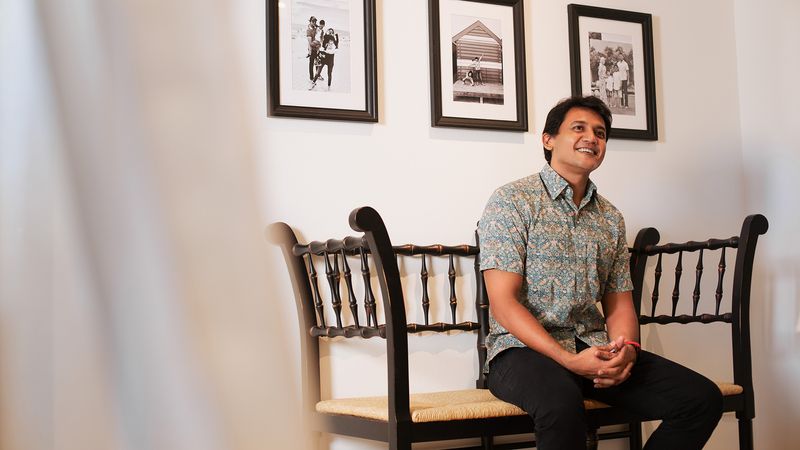
Throughout his life the boss of hedge fund Quantedge has had to grapple with questions around privilege, tokenism, and meritocracy. They inform his view of the just, equitable and race-neutral Singapore that he is striving to help build.
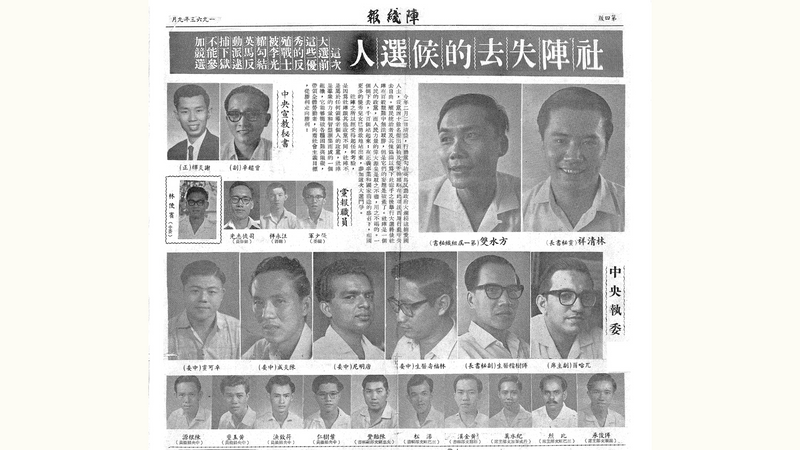
Sixty years ago, the "Red Scare" saw Lee Kuan Yew's government arrest and detain over 120 alleged "Communists", some for over a decade. Survivors claim it was a politically motivated purge. Are we any closer to the truth?