

Your whole life flashes before your eyes upon death. For 1970s’ Singaporean malls nearing the end, this is the moment when they remember that Thais found community in a place that didn’t want ethnic enclaves; that incomplete signs are a sign of birth, as much as death; that static elevators and hollowed out stairwells can take you to the same place; that sin lives, that sin thrives, that sin evolves, and that some Sin, the first three letters of our name, is in all of us; that handwritten notebooks and TikTok videos can levitate on the same glass plane of salvation; and that a space you hold dear today can be wretched tomorrow, wrinkles of loss and guilt scraped across your soul like those empty lines on the building directory.
Photographs by Woon Shyue Jiun, commissioned and licensed by Charmaine Poh. Introduction by Sudhir Vadaketh. Peace Centre text by Jean Hew. Golden Mile Complex text by Tsen-Waye Tay.
Crystal Optical Co, located on the first floor of Peace Centre, is a 40-year-old spectacle and sunglass shop. It’s unassuming and somewhat hidden. That is, until last year, when Gen Zs discovered its wealth of vintage sunglasses and created TikToks that brought a new generation to an outdated mall. They’ve now nearly wiped out Crystal Optical’s entire collection.
Just in time. After a few failed attempts, Peace Centre and its adjoining apartment complex Peace Mansion, built in the 1970s, were sold for S$650m in 2021. Its 232 tenants, including Crystal Optical, were asked to leave by June. In the hour that I spent speaking to Anne, who has worked there for as long as the shop’s been around, I sat between a grandma in flower pyjamas and a teenager decked out in baggy jeans and Air Force 1s. Now that their renaissance is coming to an end, Anne tells me early retirement is inevitable without a new space.
Yet, their long-time customers hold a flicker of hope that she’ll find one. On the counter, above rows of spectacle frames, is a notebook filled with a list of numbers. Their older, less tech-savvy customers want a phone call in the unlikely chance the shop moves to a new location. “I don’t know where I’m going to make my glasses now,” the grandma told me. “All the other shops I’ve been to—it’s just not the same. They know me here. I can trust them.”
Today, Crystal Optical is the (faltering) heart of Peace Centre. It’s the only place in the building that shows any sign of life.
Contrary to its name, Peace Centre is an unsettling space. When I visited a month ago, the ‘n’ in ‘Peace Centre Directory’ had been scratched off, leaving a gaping hole in the middle of the sign. Now that the mall is in the final stage of its life cycle, mere months away from being demolished, there’s simply no reason to fix it.
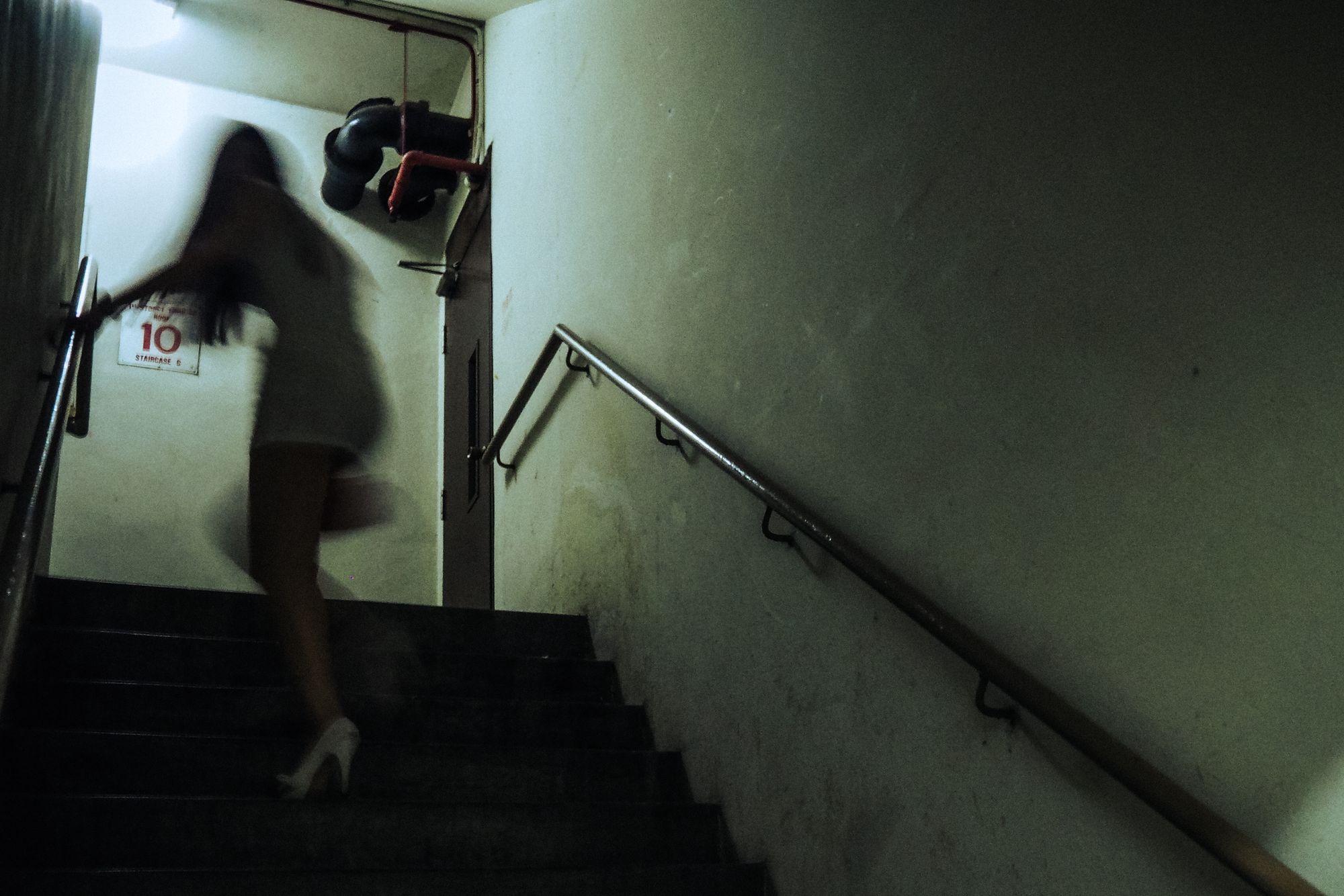
Most shop owners have already closed their shutters and said their goodbyes. Artists and researchers have also come and gone, but not before mining the almost 50-year-old mall for stories and inspiration. Even the security guards have abandoned their posts, leaving the building to fend for itself. What’s left is an empty shell of exposed pillars, peeling paint and static escalators—eerie, despondent and unnerving. I walked briskly past the rows of closed shops, and tried to shake off the ominous feeling that I wasn’t welcome here.
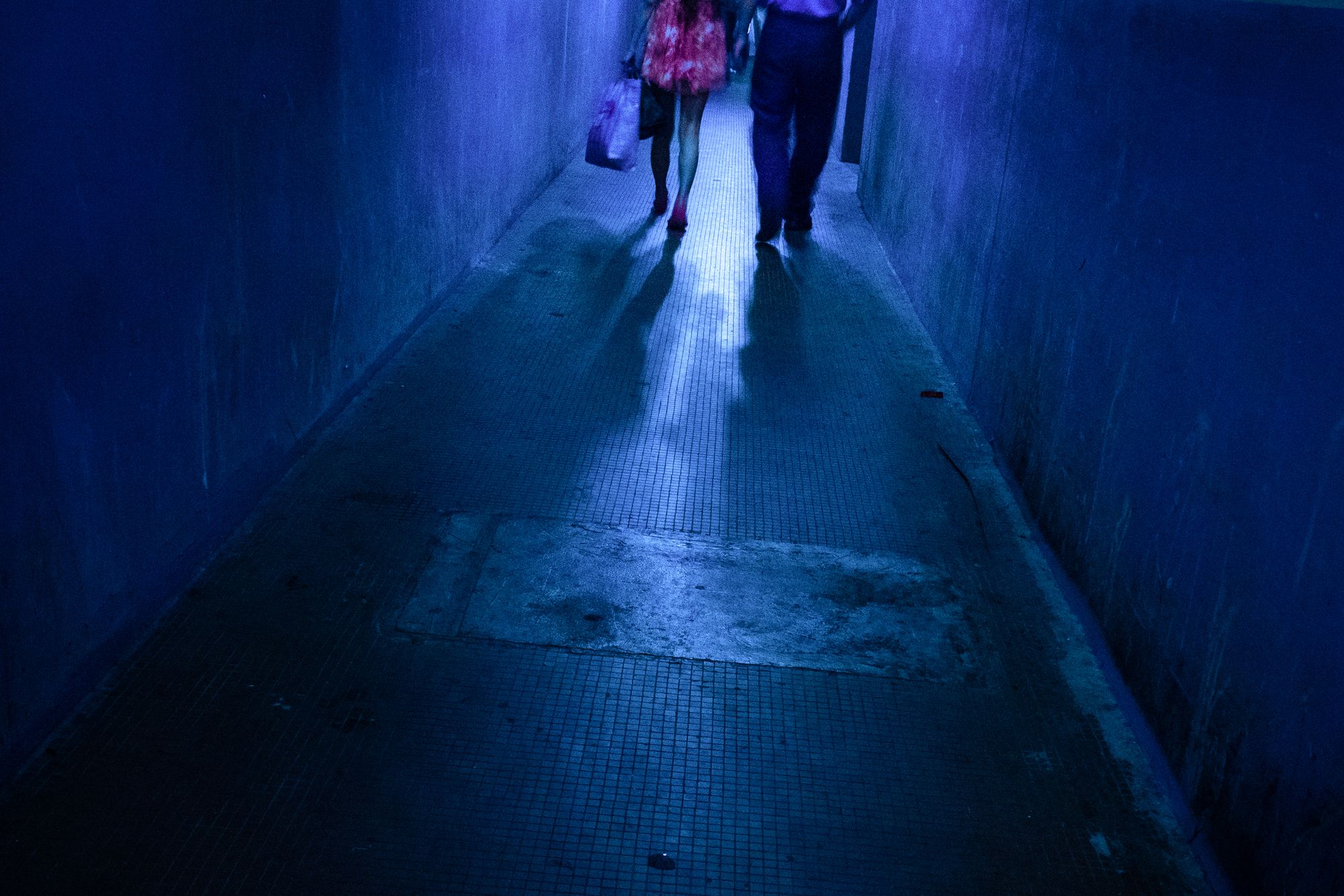
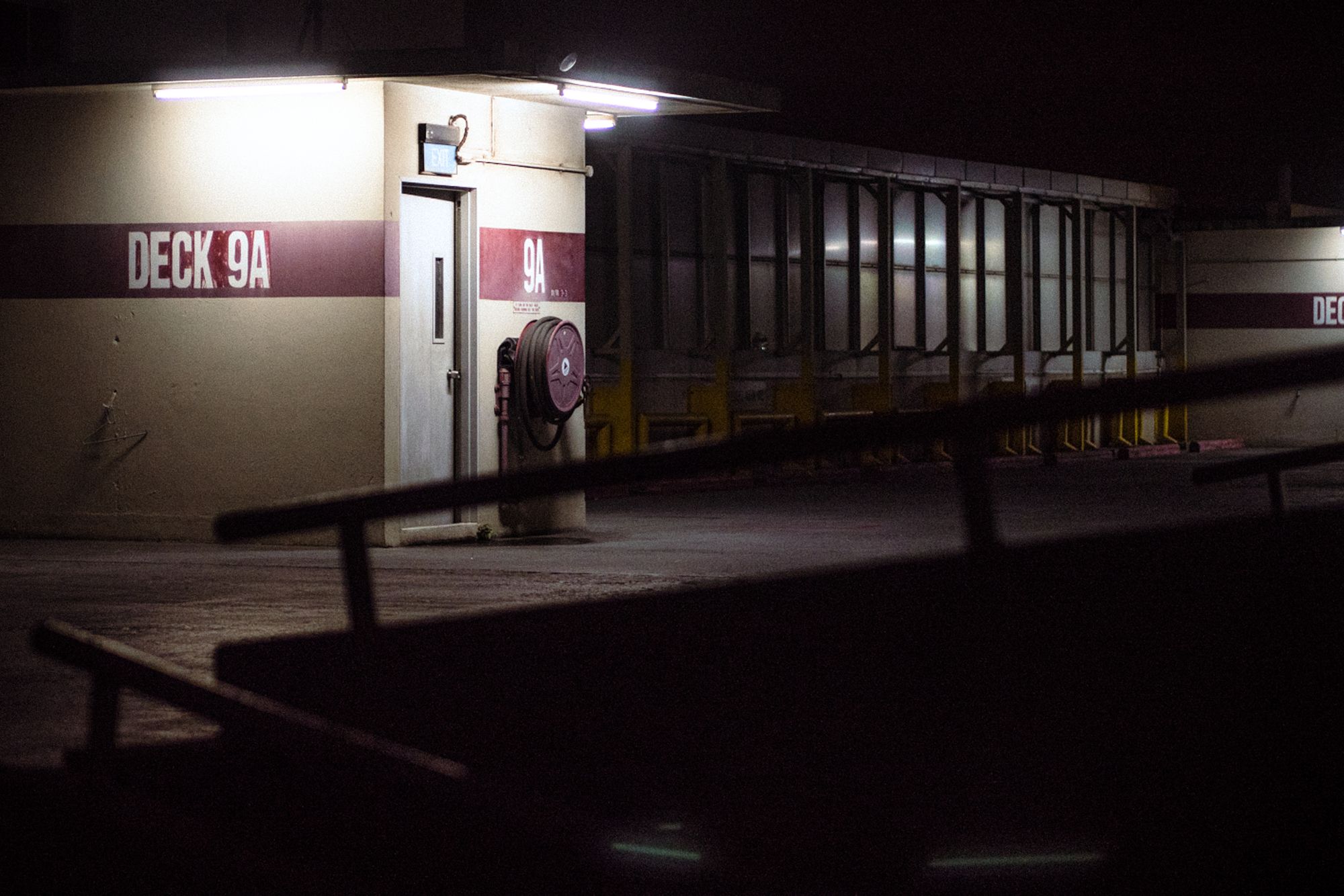
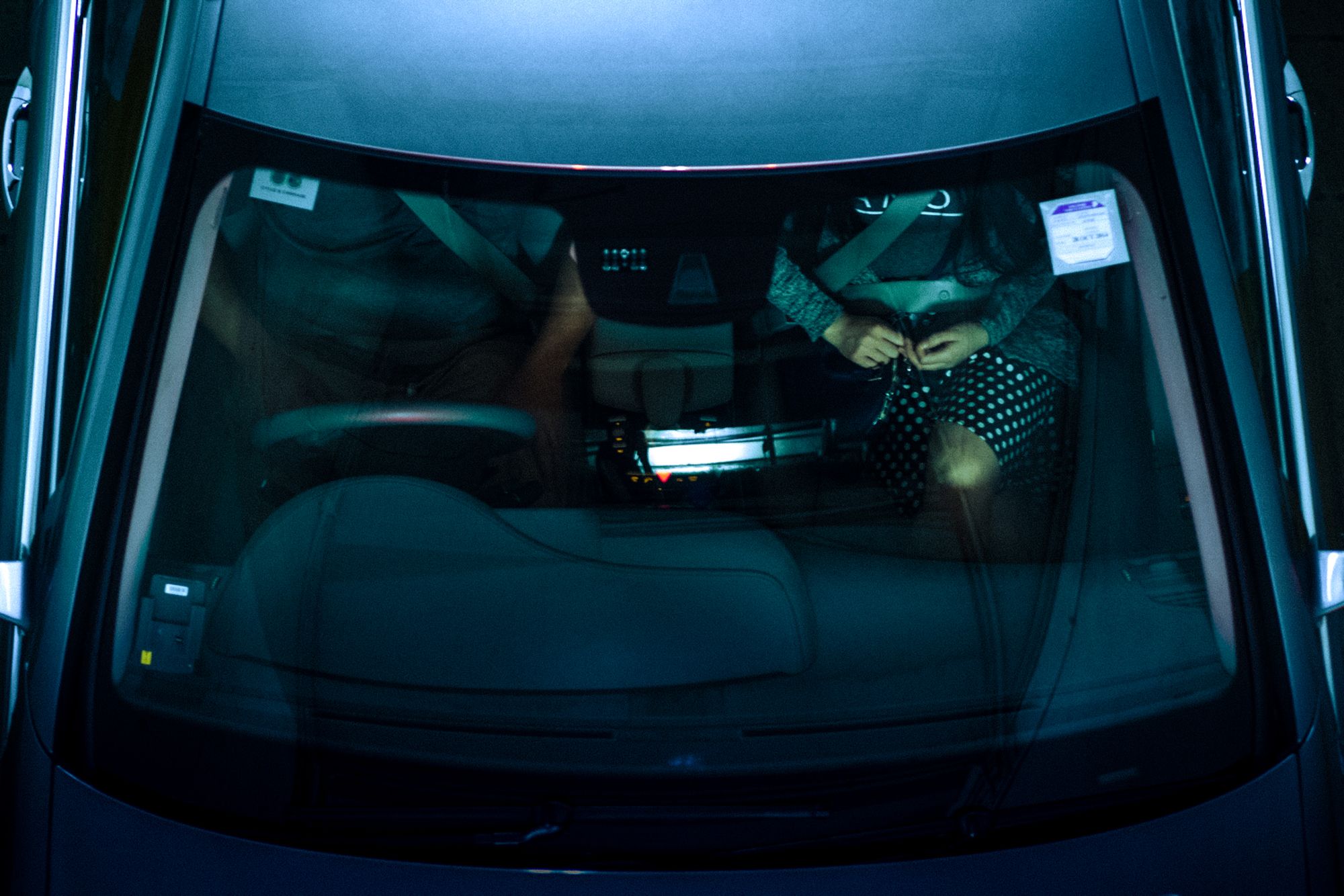
Below the surface, there’s much less heart; Peace Centre’s car park asks you to enter then demands that you leave. A diagonal wall cuts through the rectangular space. You don’t have to be a Feng Shui master to know that’s a bad sign.
Car parks are usually repainted and renovated every 10 years. How long has it been for Peace Centre? Hidden underground, away from the watchful eyes of our surveilled garden city, the car park has decayed to a dismal, disturbing state. The walls are weathered down by scruff marks and the stench of old grease is difficult to ignore. At night, mysterious cars squeeze in and out of its narrow corners. The car park’s dilapidated state betrays neglect and vice—could the rumours of its dark, unsavoury activities be true? I didn’t loiter.
Online, Google reviews reinforced the uneasiness I felt: “...the car park [has an] underworldly feeling. Almost like a place where the devil would park his car while visiting.” Woon Shyue Jiun, the photographer for this essay, told me the car park felt like “purgatory”. Neither Heaven nor Hell, the space is purely transitory. But waiting, in and of itself, feels like punishment here.
Anne waits. Flower-pyjamaed grandma waits. The notebook with numbers of customers from a past life waits.
“No need to elaborate further. Just don’t visit if you don’t need to be there,” said another Google reviewer about Peace Centre. When its architects dreamed up the space, could they have imagined it would be reduced to such a state? That in its final breath, it would host such contradictions?
What once promised peace, now delivers a quiet chaos.
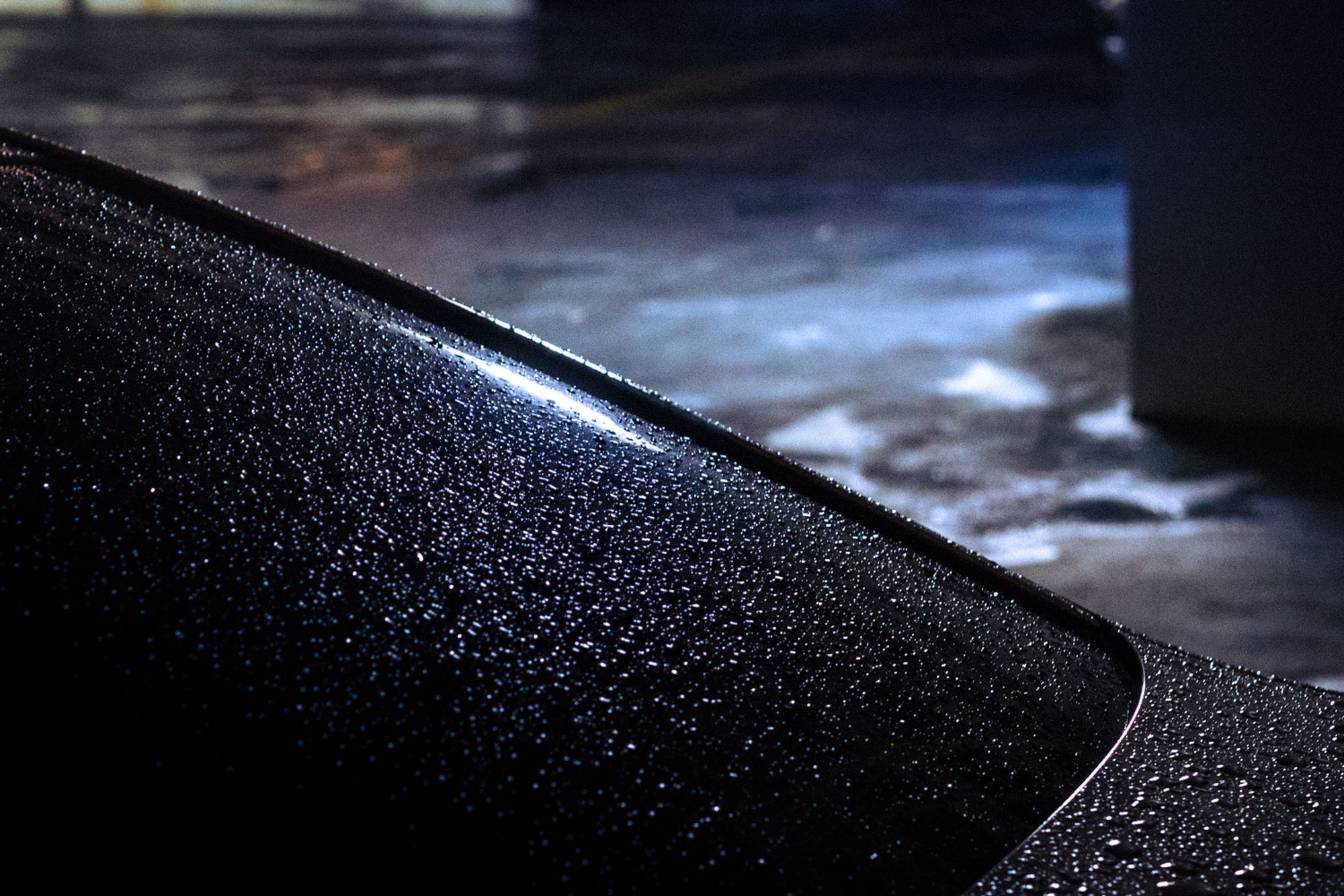
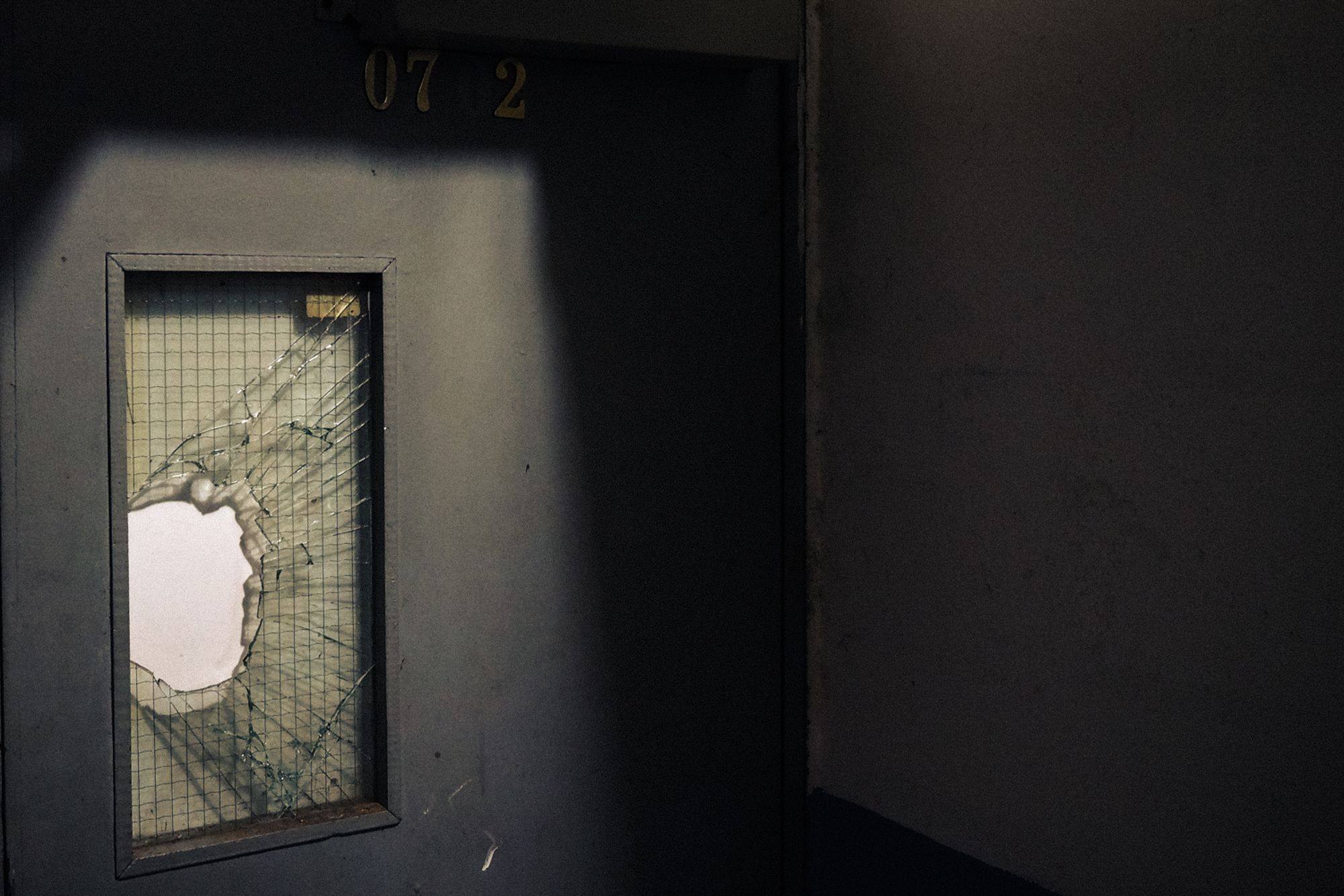
Golden Mile Complex, OG, has officially retired. Gone are the neon-fronted siam dius, KTV pubs, massage parlours, remittance and travel agents, and Thai restaurants and grocery stores. Its office spaces emptied of the ragtag mix of chartered accountants, solicitors, private investigators, shipping companies and media production agencies.
Nothing left but discarded furniture and appliances held together by the sheer, but fading will of thrifty owners: still usable, yet too broken to bring along to new homes. Nothing left but the lingering, musky alchemy of raw and cooked spices, stale cigarette smoke, and hints of regurgitated food faintly masked with bleach.
I’m there on the penultimate weekend, expecting to find an abandoned shell. But there’s a restaurant packed with customers enjoying a final taste of Little Thailand, and a lone shop displaying rows of shoes destined for the bin. On the second floor, a cacophonic confusion of 70s disco, 90s R&B, and Thai pop music reverberates from a few bars, amplified by the cavernous atrium.
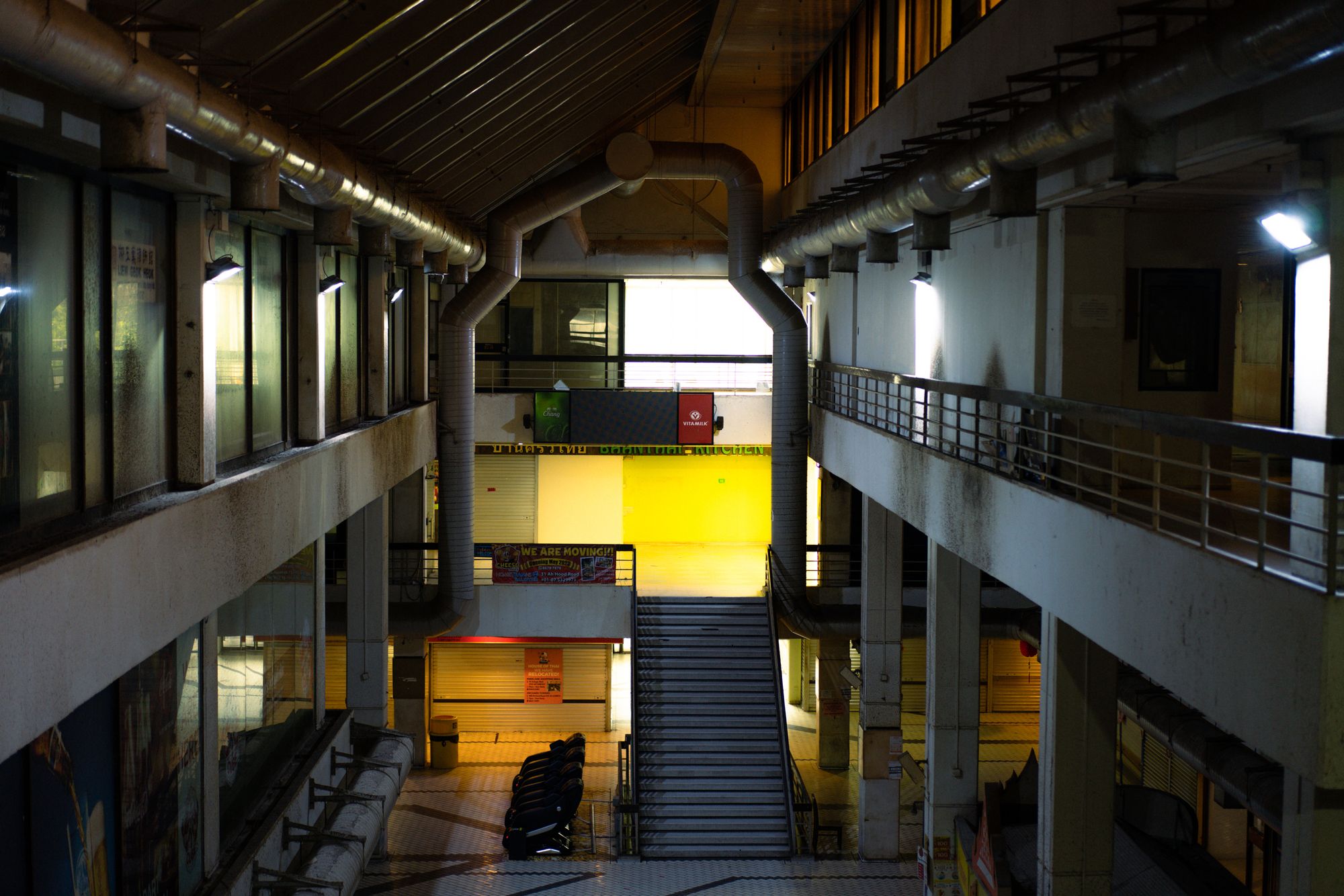
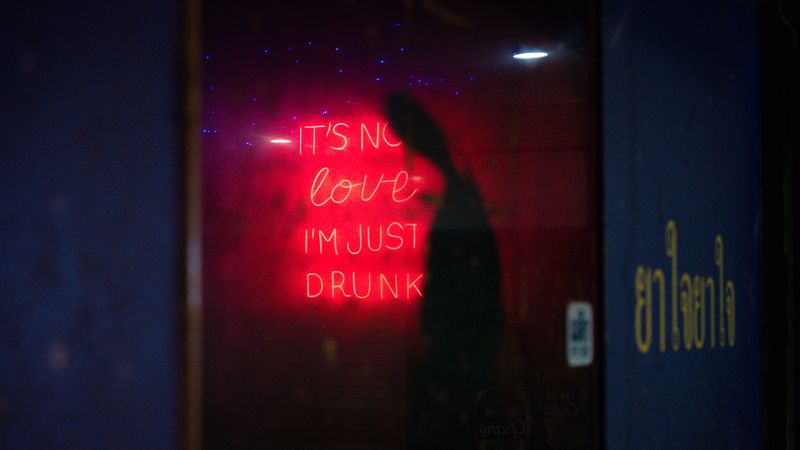
The patrons are mostly middle-aged men, dressed in striped and checked polo shirts, shorts and flip-flops—HDB uncle-casual. The women with them are working—keeping the men hydrated and entertained. The Singaporean lao ban niang (“boss woman”) flits between tables speaking in Mandarin and Hokkien, each sentence coated in velvety laughter. Camaraderie forged over years. She stops to refill my glass, then asks in a motherly tone if I’m hungry. I say I’m starving, and ask her how she is. I’m exhausted, she replies, and fancies a long break before even contemplating reopening her bar. It’s a sentiment shared by many small business owners, who’ve managed to hold out against the turbulent shocks of recessions and a pandemic.
The death knell was finally sounded last May by real estate developers, who wooed owners with a S$700-million, en-bloc offer too sweet to refuse. It took a “record time” of 15 days to gather the consent of more than 80 percent of owners to sell the strata-titled, mixed-use development.
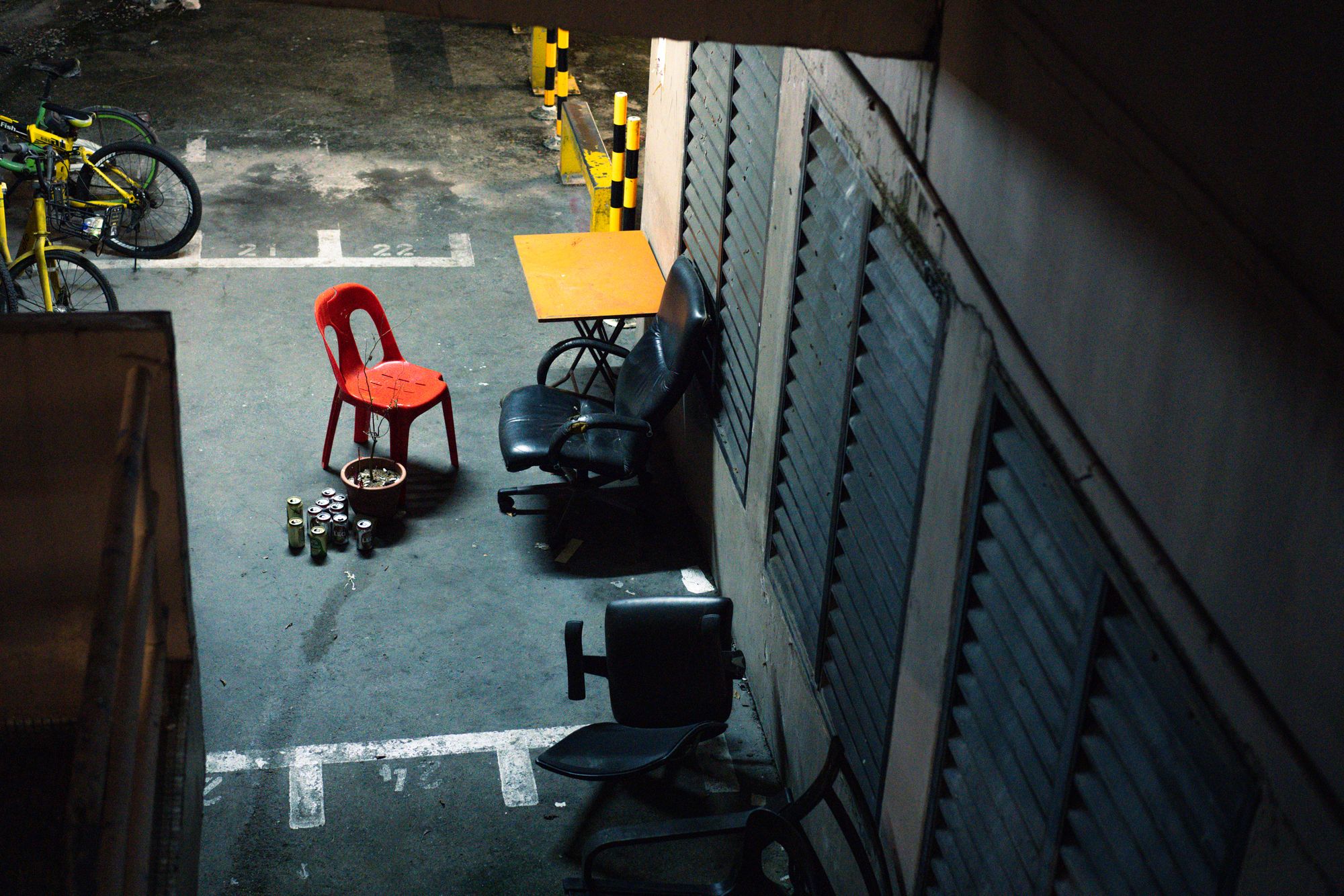
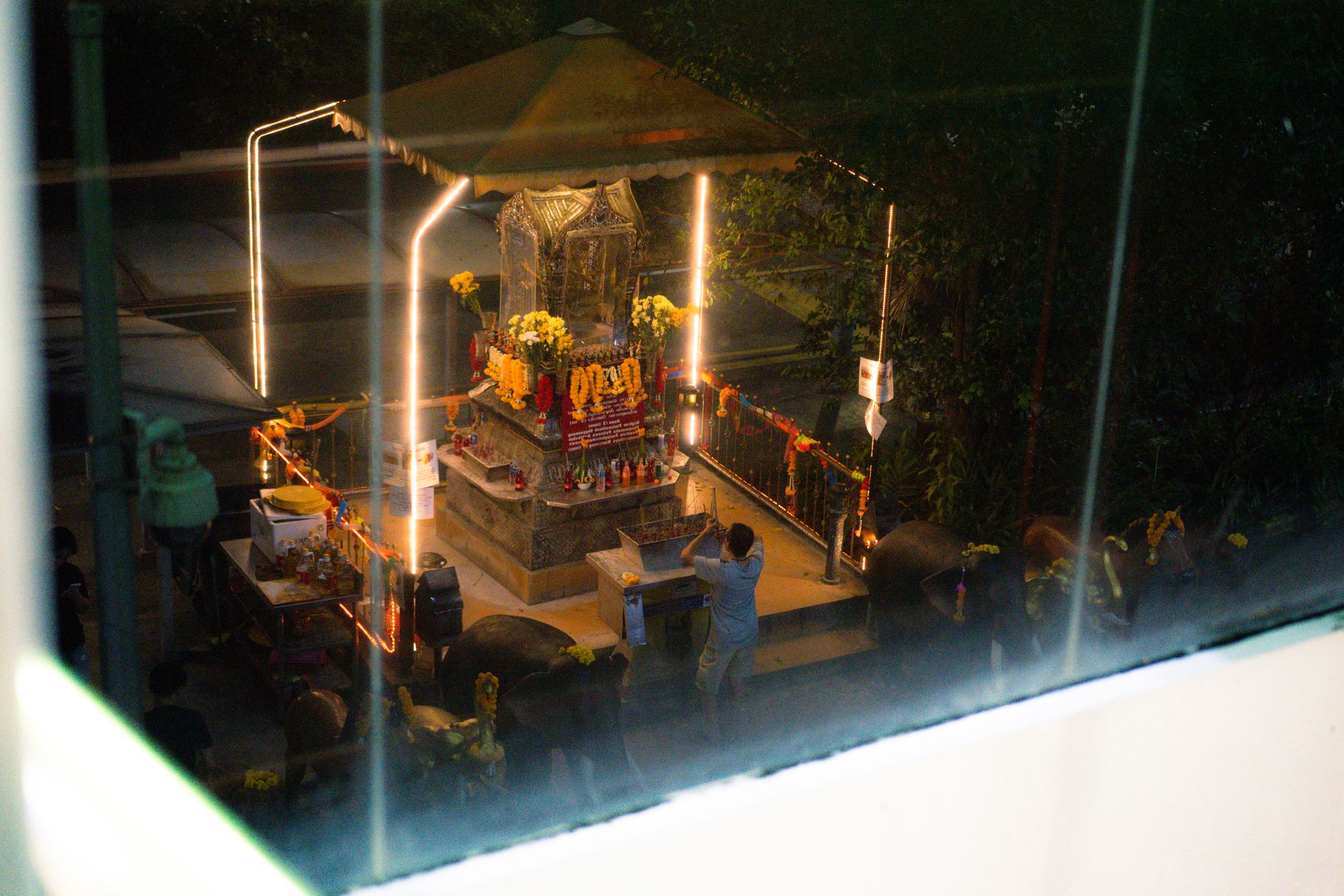
Despite the outpouring of nostalgia in its final months, Golden Mile Complex has had its fair share of bad press. It’s been ignominiously called a “vertical slum”, “an eyesore”, and referred to as “dirty”, “dodgy” and “dangerous”.
Completed in 1973, the 16-storey, brutalist behemoth was once a symbol of urban renewal. The worn-out icon of modernist architecture will itself be rejuvenated, after being gazetted for conservation in October 2021. The property developers have promised to “sensitively” restore the building, paying “special attention” to retaining key features and the terraced profile. They’ll also explore office, retail and residential components.
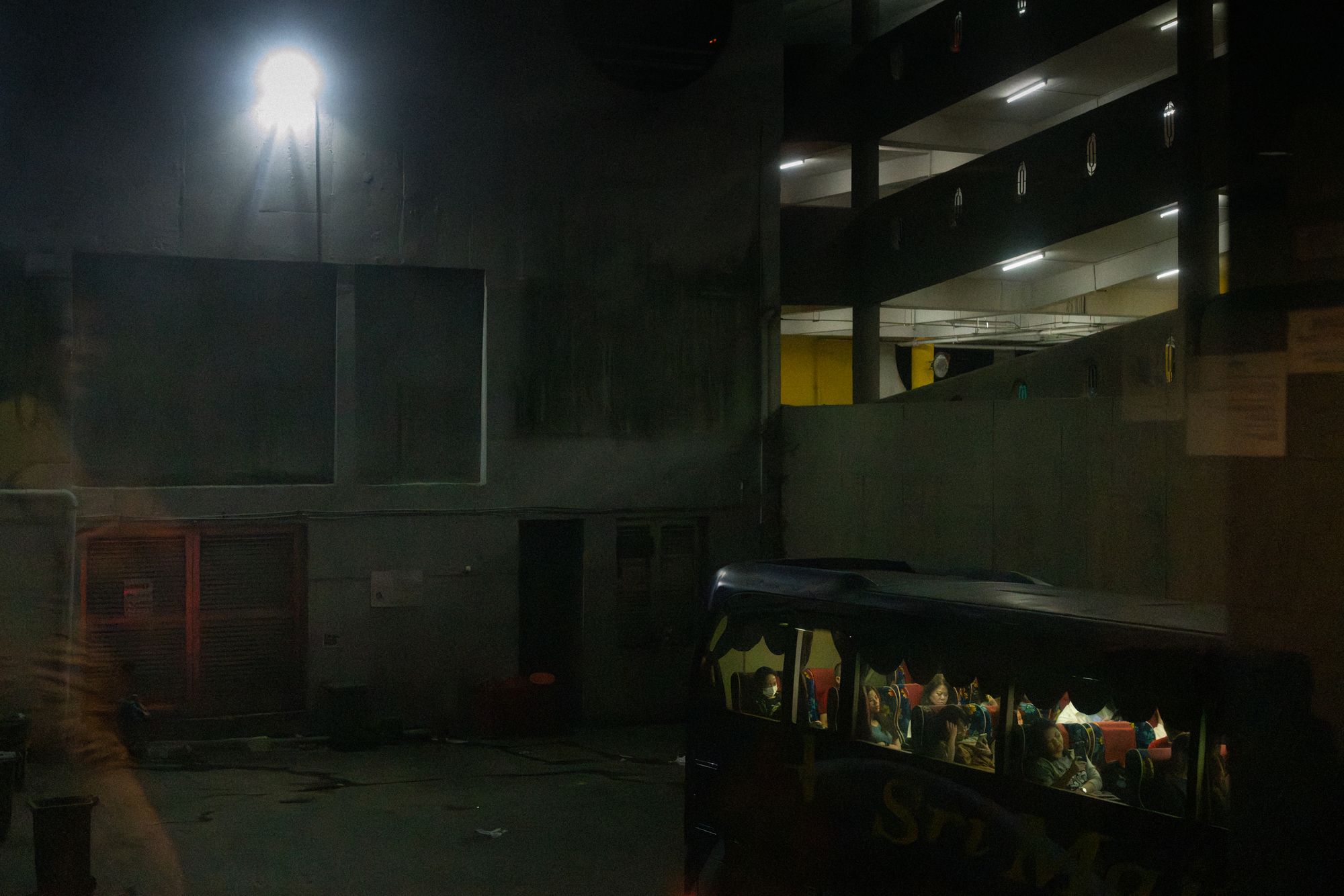
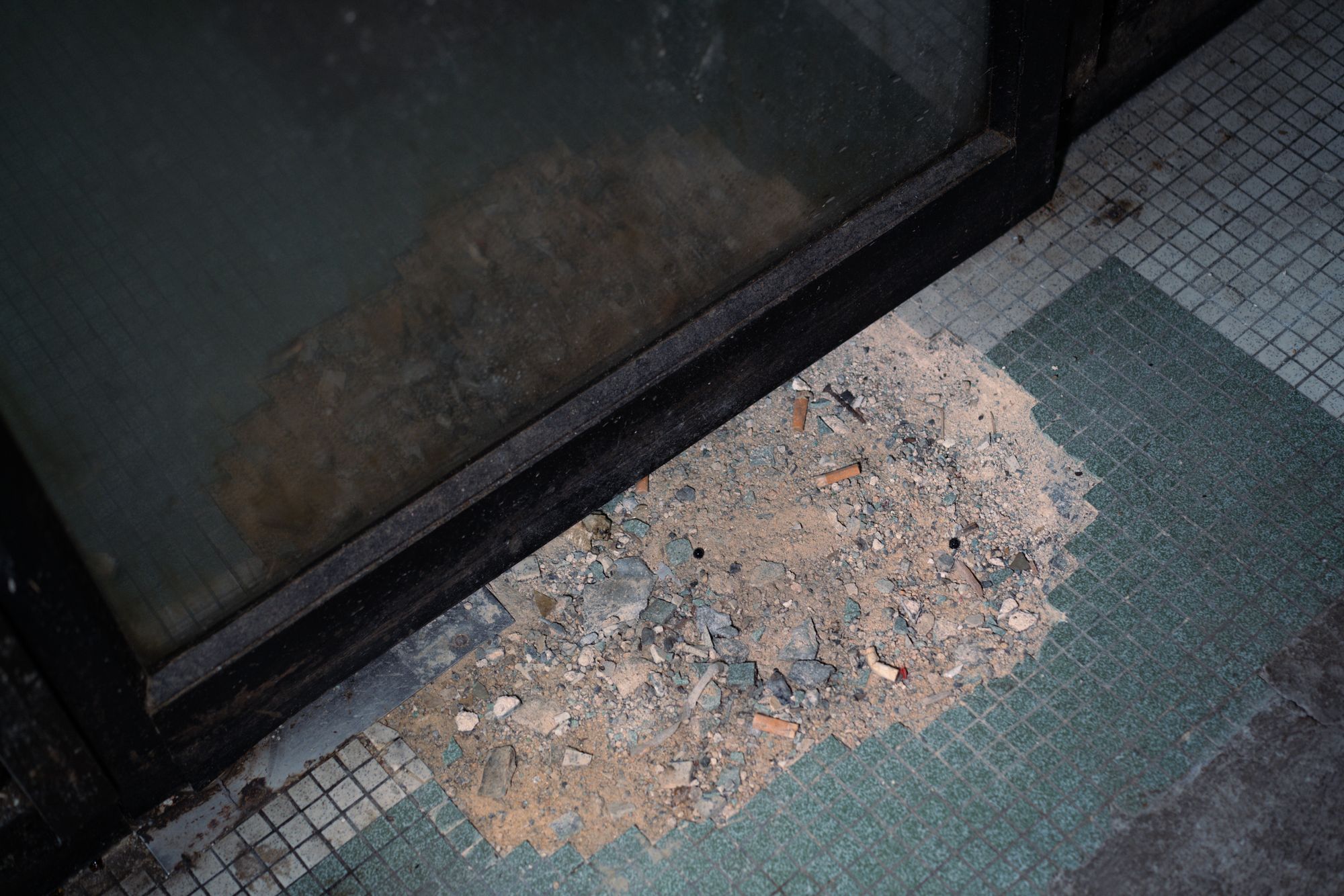
Back at the bar, a few “uncles” have staggered onto the makeshift dance floor; limbs swaying, feet shuffling, always a couple of beats out of step. A server pulls up a chair: she’s here to nudge my drinking along. We chat, grazing the edges of topics as strangers do. The Chinese national has worked here for over 10 years, but the Singapore Dream has lost its sheen. It’s getting harder to earn a living, she said, in Mandarin. Time to return home to my family.
Golden Mile Complex’s impending closure has aroused an awakening of sorts amongst its inhabitants, long stuck in the quotidian rhythm of ritualistic response. Their lives, inextricably linked to the fate of the building, were now being forced to transition. “Liminality”—a concept introduced in the 1900s by Arnold van Gennep, a German-born, French folklorist—describes the point at which people enter a new life phase. The term “limen” from the Latin for “threshold”, separates one social/physical space from another, holding in the in-between new ways to structure identity and community.
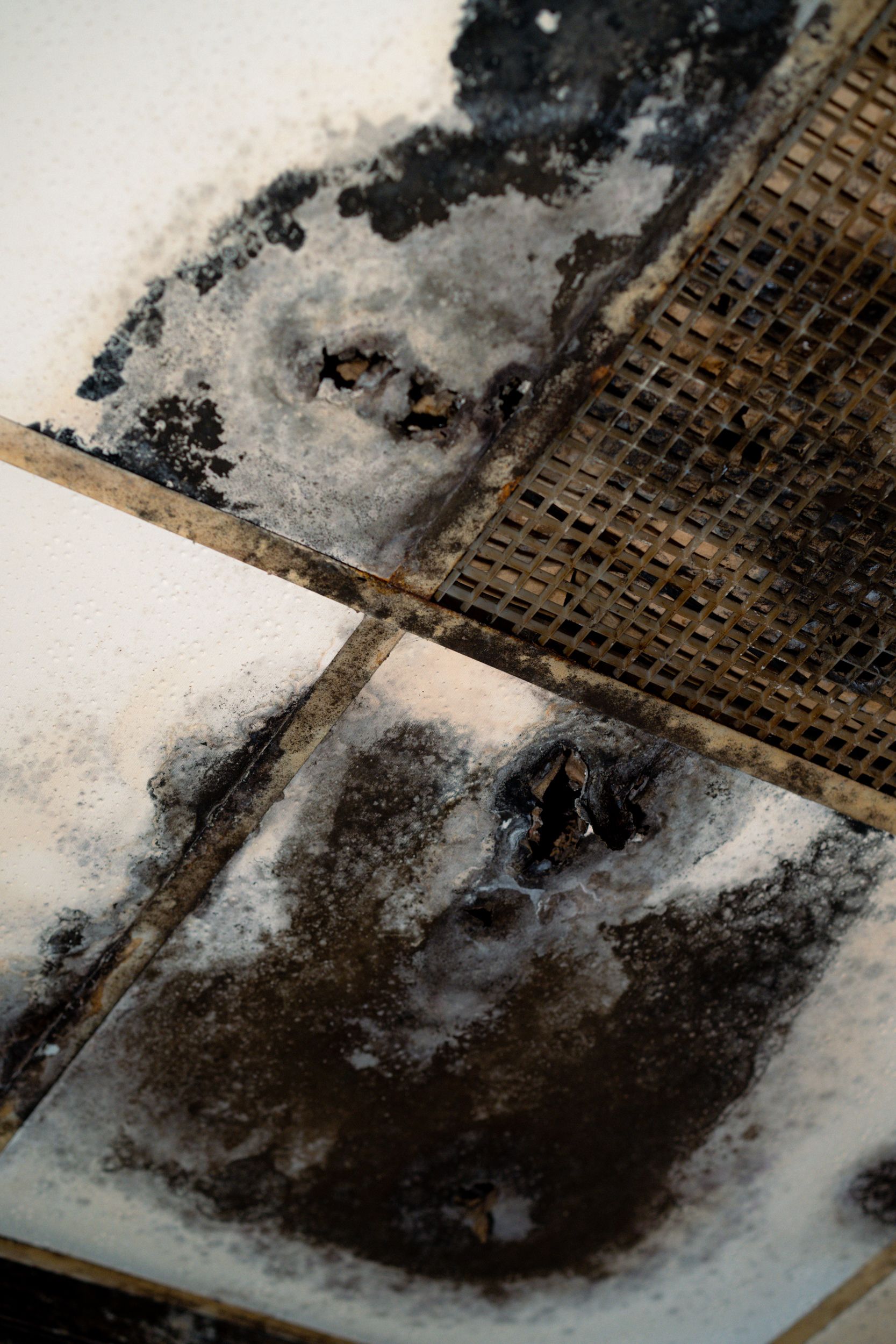
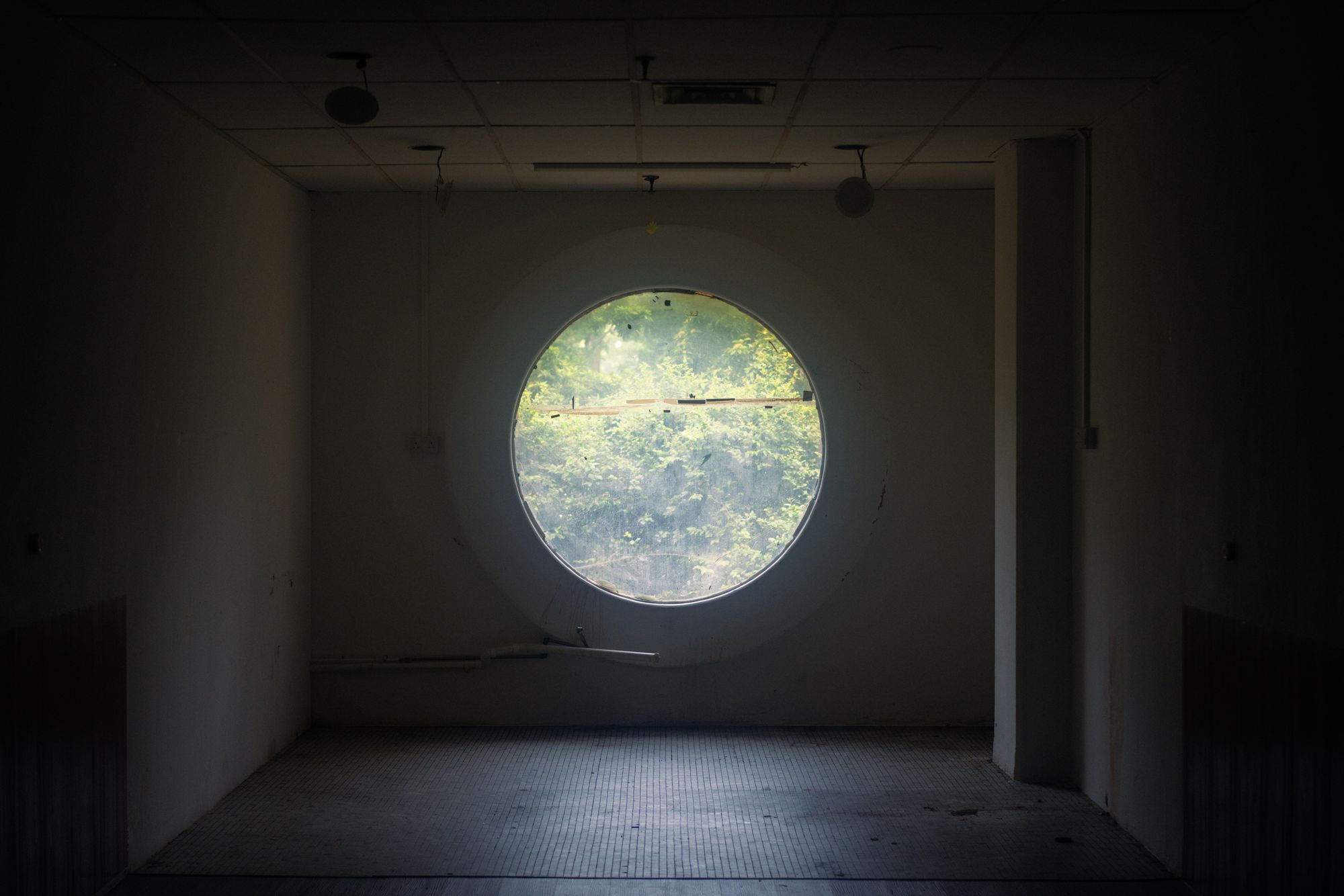
Away from the bar, the mall’s darkened corridors are a liminal wasteland of vacated shops and hollowed spaces of decay. Light bounces off glass storefronts and splintered mirrors, reflecting murky otherworlds. The doorways are sealed by tape meant to read “GOLDEN MILE COMPLEX”, except they’re torn up like coded warnings left for future invaders: “OLDEN MIL”, “PLEX GOLD”, “EN MI”. In the musty stillness, I imagine Golden Mile Complex as ground zero of a zombie fungus outbreak. The building, as living, breathing organism reclaiming place: its twisted insides (of exposed wires and leaky air-con ducts) spilling out from overhead; a sinister mould inching across the ceiling and down stained walls; the damp, tiled floor buckling from the water that’s pooled beneath it.
The night ends on the 9th floor void deck; where kids played and neighbours caught up on gossip, called home by the smell of dinner wafting from the apartments above. This communal space, like all the other deserted, transitory realms across the golden mile, is on the cusp of change. If liminality is, in the words of British anthropologist Victor Turner, a condition of being “neither here nor there”, stuck in a “realm of pure possibility”, then for all of us, lao ban niang to me, who’ve negotiated the building’s final days, it’s been a chance to dwell in the ambiguous state of “no-place” in “no-time”.
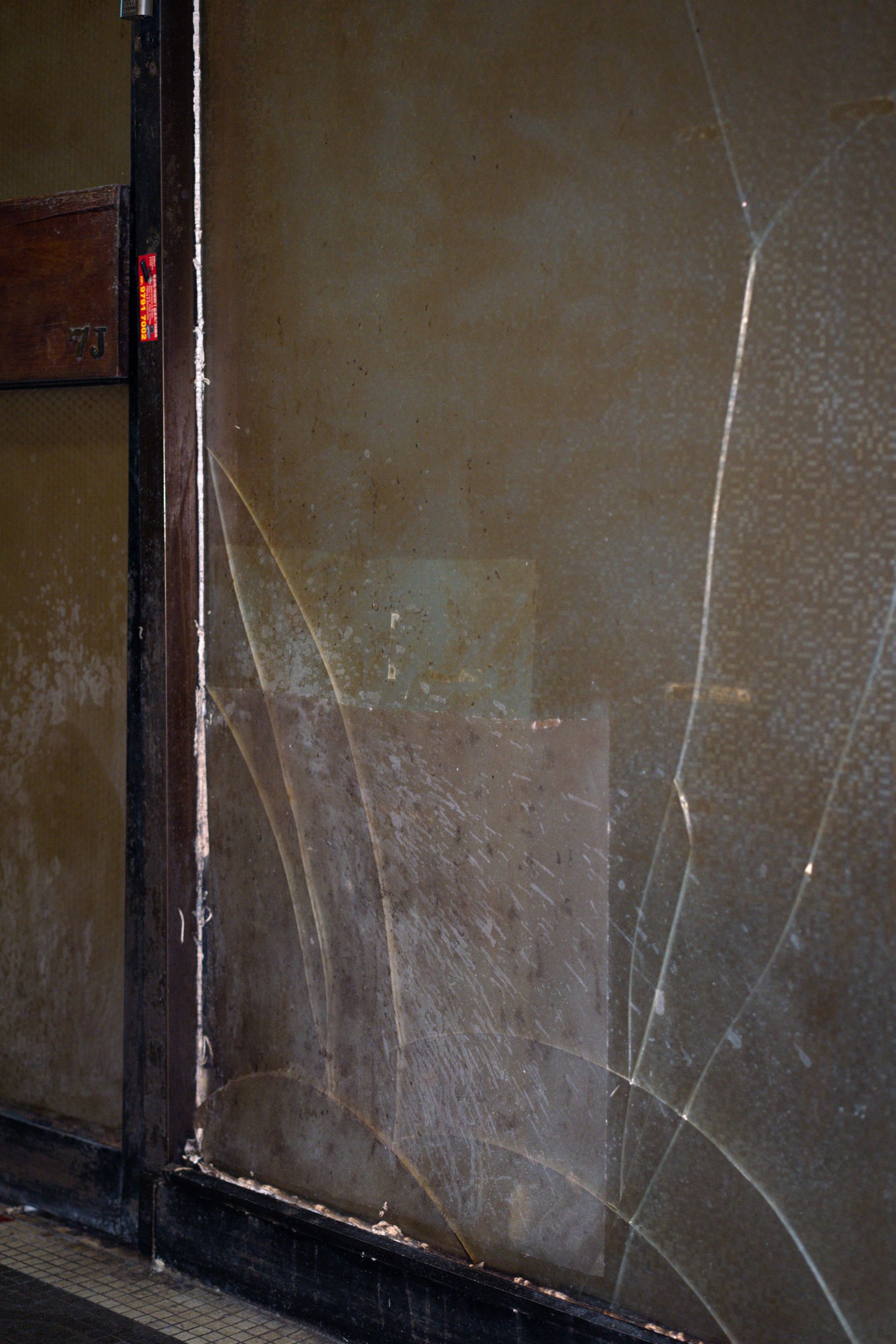
Woon Shyue Jiun, a trained architect, uses photography as a tool to explore subtext in the built environment. In his daily practice as an architect, he turns aspirations and dreams into constructible reality. At night, he reverses the process—deconstructing reality and spaces into fiction and figments of imagination. Woon’s debut photobook Dark Cities won the inaugural First Draft Award by THEBOOKSHOW. His work has been exhibited in Australia, Cambodia, Japan, Malaysia, Singapore, Turkey and Ukraine.
Jean Hew is Jom’s head of research. Tsen-Waye Tay is Jom’s head of content.